LONDON — The Middle East has plunged into a rapidly escalating conflict following the reported assassination of Iran’s Supreme Leader, Ayatollah Ali Khamenei, triggering widespread military exchanges, rising casualties and growing instability across the Gulf region.
AI Transformation Gains Momentum Across Pakistan’s Corporate Sector
The crisis intensified over a dramatic weekend spanning February 28 to March 2, 2026, after coordinated airstrikes by the United States and Israel targeted Iran’s military and nuclear infrastructure. Tehran responded with missile and drone attacks across multiple countries in the region, including Bahrain, Saudi Arabia, Qatar, the United Arab Emirates, Iraq and Israel, raising fears of a broader regional war.
In a video address, US President Donald Trump warned Iran’s Revolutionary Guard to surrender or “face certain death,” while asserting Washington’s support for the Iranian people. Iranian officials, meanwhile, vowed retaliation with unprecedented force.
Background: Rising Tensions in 2025
The current escalation follows months of mounting tensions rooted in the 2025 Iran-Israel confrontation. On June 13 last year, Israel launched major strikes on Iranian nuclear and military facilities during ongoing negotiations between Tehran and Washington. Iran retaliated with large-scale missile and drone attacks on Israeli cities.
The United States later joined the conflict, claiming strikes on nuclear facilities in Natanz, Fordow and Isfahan. Although a US-brokered ceasefire ended the fighting, nuclear negotiations collapsed soon afterward amid disagreements over sanctions relief and Iran’s missile programme.
Domestic Unrest and Diplomatic Breakdown
Economic hardship and inflation sparked massive protests across Iran at the end of 2025, leading to thousands of deaths and nationwide disruptions. Iranian leadership accused Washington of encouraging unrest, while Trump openly supported demonstrators and warned Tehran against violent repression.
Diplomatic efforts briefly resumed in February 2026 through talks mediated by Oman in Geneva. Despite what mediators described as progress on uranium stockpiling limits, disputes over Iran’s regional influence and missile capabilities prevented a final agreement.
February 28: Coordinated Strikes
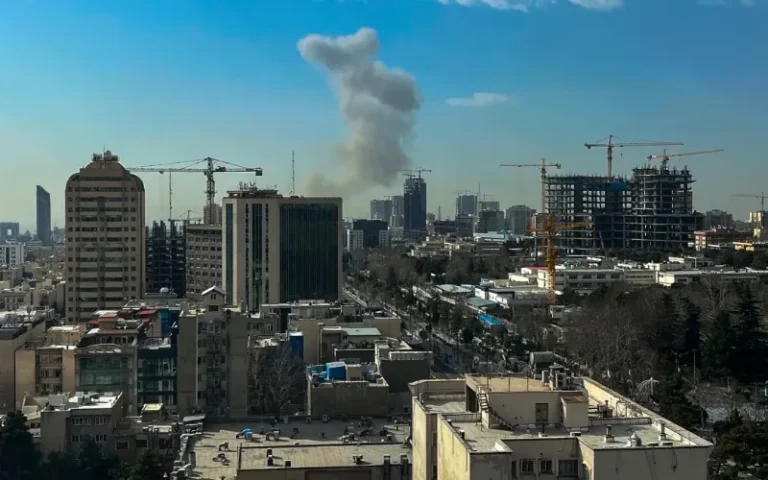
A day after reported diplomatic progress, US and Israeli forces launched large-scale attacks on Iranian targets. Explosions were reported across Tehran, while an Israeli strike on an elementary school in Minab reportedly killed 175 people and injured dozens more.
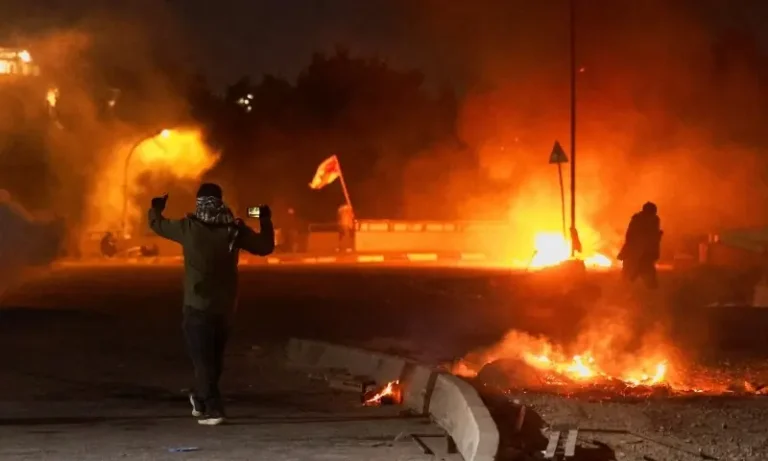
Iran retaliated by striking military installations in Israel and Gulf states hosting US assets, with explosions reported in Qatar, Kuwait, the United Arab Emirates and Bahrain.
March 1: Death of Iran’s Supreme Leader
Israeli Prime Minister Benjamin Netanyahu announced that Ali Khamenei had been killed in the strikes alongside senior military commanders. Iranian media later confirmed the death, declaring 40 days of national mourning.
Among those reported killed were senior Revolutionary Guard officials and top military leaders. Iran subsequently appointed Alireza Arafi to Iran’s Leadership Council, which will oversee state affairs until a new supreme leader is selected.
Missile exchanges intensified overnight, with Iranian strikes killing civilians in central Israel while US and Israeli bombardments continued in Tehran and surrounding areas.
March 2: Casualties Mount
US Central Command confirmed the first American fatalities of the conflict, reporting three servicemen killed and five wounded. Trump vowed continued military operations until US objectives are achieved, stating that Iranian military leadership and naval assets had suffered heavy losses.
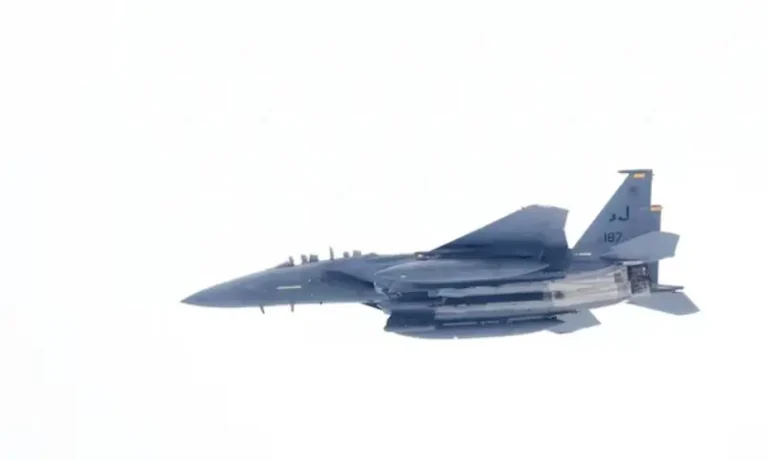
Meanwhile, Kuwait reported several US military aircraft crashes with surviving crew members, and smoke was seen near the US Embassy compound. Iran confirmed damage to its Natanz nuclear facility and said at least 555 people had been killed since the start of the strikes.
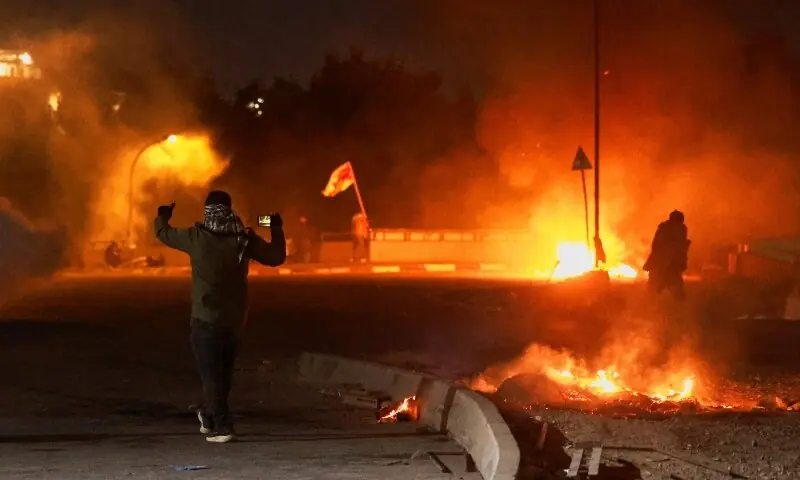
Explosions and airstrikes continued to be reported across Tehran and several Gulf cities, underscoring fears that the conflict could expand into a prolonged regional war with global economic consequences.