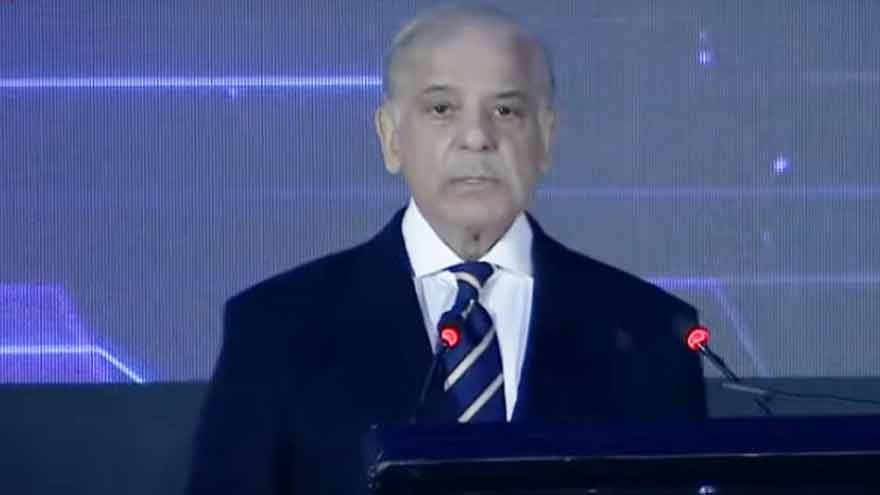
The inaugural ceremony of Indus AI Week 2026 was held in Islamabad, marking a significant milestone in Pakistan’s efforts to promote artificial intelligence and advance digital transformation nationwide.
PCB–ICC Talks Underway in Lahore Over Pakistan’s Decision to Boycott India T20 World Cup Match
Prime Minister Shehbaz Sharif attended the opening ceremony and formally launched the initiative, which aims to accelerate technological innovation and position Pakistan as an emerging player in the global AI landscape.
Addressing the event, the prime minister said the government is implementing comprehensive measures to equip the country’s youth with skills aligned to modern technological demands. He highlighted key initiatives, including the distribution of laptops to meritorious students, the establishment of e-libraries, and extensive digital reforms within the education sector.
Shehbaz Sharif said Pakistan is progressing with unity and determination, pointing to major achievements such as the launch of the country’s first Safe City project in Lahore and the establishment of Pakistan’s first information technology university.
He emphasized that governance reforms — including the introduction of e-stamp papers and the digitization of land records — have enhanced transparency, boosted government revenues, and significantly reduced corruption in revenue departments.
The prime minister added that the complete digitization of the Federal Board of Revenue (FBR) has improved transparency in tax collection, while the installation of advanced scanners and modern equipment at ports has helped curb smuggling.
Highlighting the importance of youth empowerment, he noted that nearly 60 percent of Pakistan’s population consists of young people who must be provided with modern education and technical skills to drive future growth.
He declared that Pakistan is now prepared to compete on the global stage in the field of artificial intelligence. The prime minister further revealed that AI education has been introduced in schools across the federal capital, Azad Jammu and Kashmir, Gilgit-Baltistan, and Balochistan, describing the move as a major milestone for the country’s future digital economy.