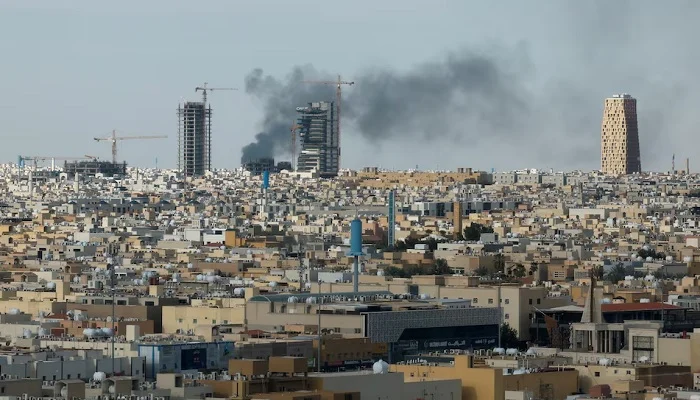
Saudi Arabia has warned Iran that while Riyadh supports a diplomatic resolution to Tehran’s conflict with the United States, continued attacks on the kingdom and its energy infrastructure could force Saudi Arabia to retaliate, according to sources cited by Reuters.
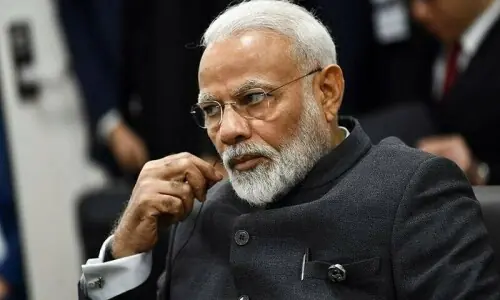
The message was conveyed ahead of remarks by Iranian President Masoud Pezeshkian, who apologised to neighbouring Gulf states after Iranian drone and missile strikes hit civilian targets in the region.
Saudi Foreign Minister Faisal bin Farhan Al Saud communicated Riyadh’s position during a call with Iranian Foreign Minister Abbas Araghchi two days earlier, sources said. He stressed that Saudi Arabia supports mediation efforts aimed at de-escalation and a negotiated settlement.
According to the sources, the Saudi minister also emphasised that neither Saudi Arabia nor other Gulf states had allowed the United States to use their territory or airspace to launch attacks on Iran.
However, Riyadh warned that if Iranian strikes continued against Saudi territory or key energy facilities, the kingdom would be forced to permit US forces to operate from bases in the country and respond militarily.
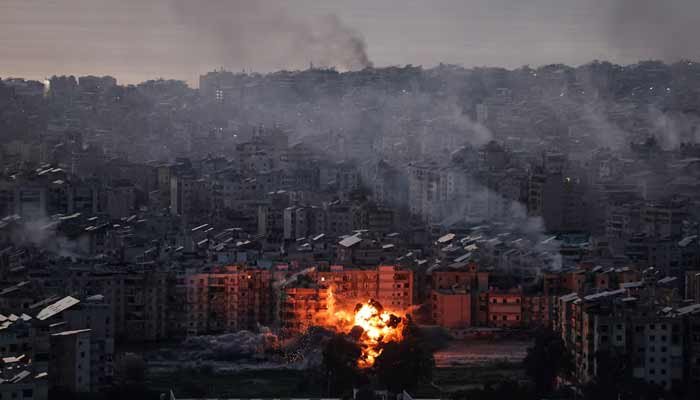
The developments come amid rising regional tensions following the killing of Iran’s Supreme Leader Ali Khamenei during the opening day of the conflict on February 28. Iran subsequently launched attacks targeting Israel and Gulf states hosting US military installations, while Israel carried out strikes against the Iran-backed group Hezbollah in Lebanon.
Iranian officials said they remain in regular contact with Saudi counterparts. Araghchi said he had been in constant communication with Saudi officials, adding that Riyadh assured Tehran it would not allow its territory, waters or airspace to be used for attacks against Iran.
Pezeshkian also announced that Iran’s temporary leadership council had approved suspending attacks on neighbouring countries unless those states directly attacked Iran.
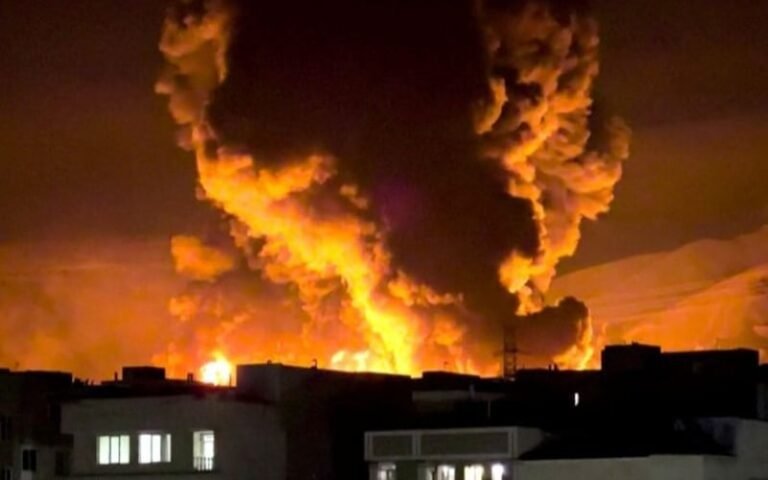
Despite the statement, reports of further missile and drone strikes targeting Gulf states surfaced on Saturday. Iran’s military command, the Khatam al‑Anbiya Central Headquarters, later said US and Israeli bases and interests across the region would remain legitimate targets.
Meanwhile, US President Donald Trump said in a social media post that Iran had apologised to its Middle East neighbours and promised to halt attacks on them, attributing the shift to sustained US and Israeli military pressure.
The latest exchanges highlight growing tensions across the Gulf region, where several countries — including the United Arab Emirates, Kuwait, Qatar and Bahrain — have reported drone and missile attacks over the past week.