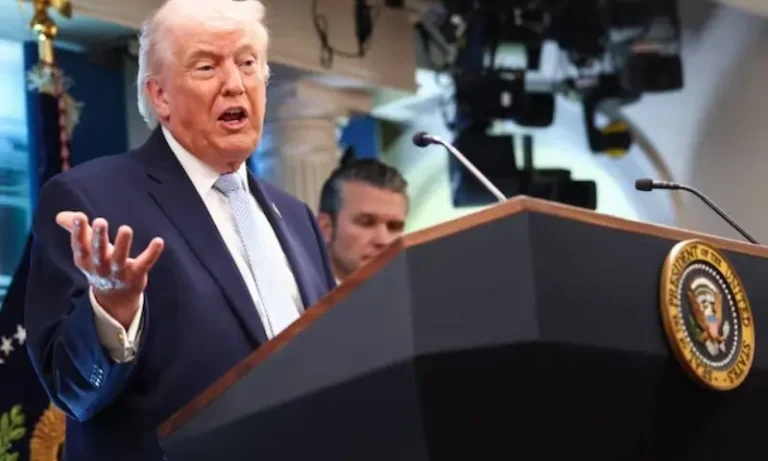
Donald Trump’s decision to retreat from his threat to “wipe out Iran’s civilisation” and instead agree to a two-week ceasefire has intensified scrutiny of the US president’s volatile negotiating style, with critics arguing the reversal highlights the limits of his high-risk diplomacy.
Riz Ahmed’s Bait Redefines South Asian Representation Through a Desi James Bond
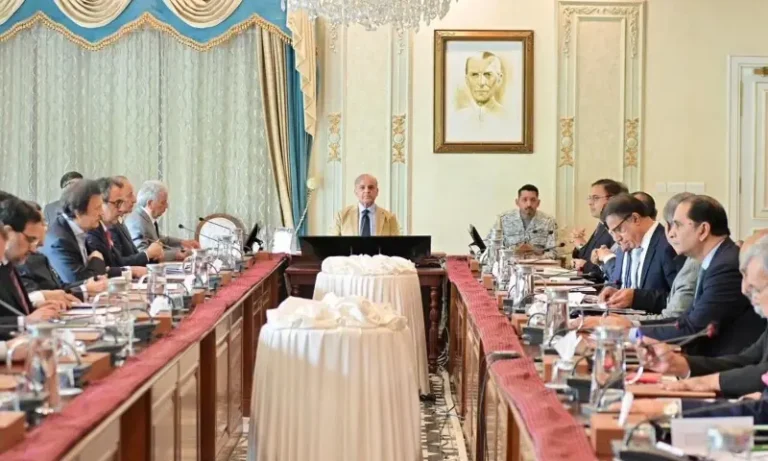
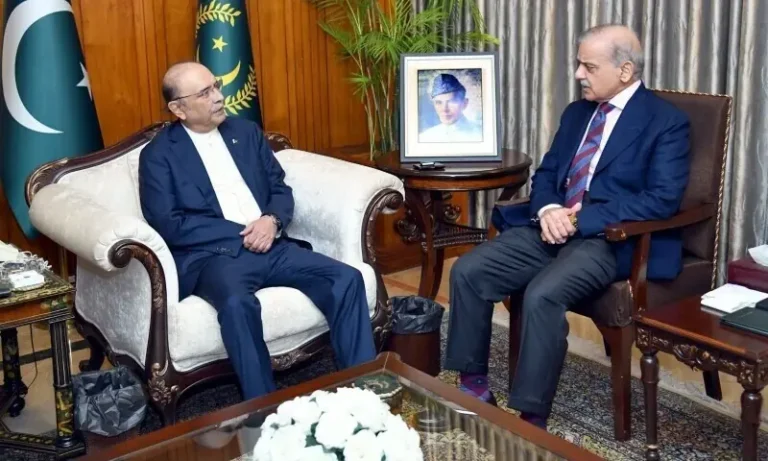
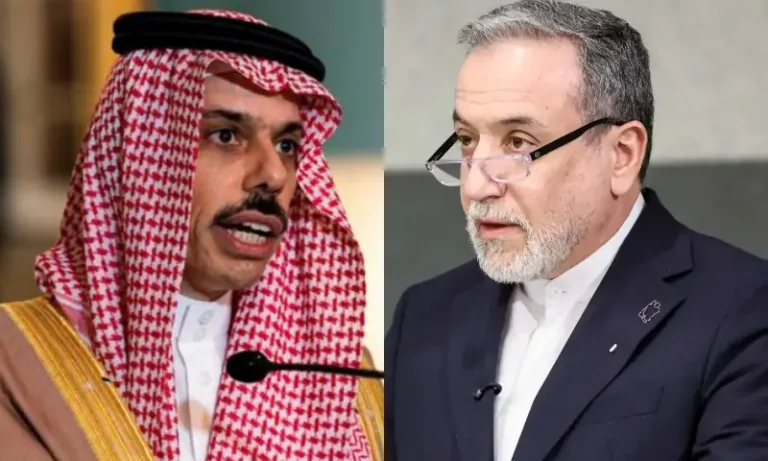
The ceasefire, announced Tuesday after Pakistan-mediated talks, marked the most significant step yet toward easing a 40-day conflict between the United States and Iran that has destabilised the Middle East and rattled global energy markets.
Just hours before the agreement, Trump had warned Iran on social media that unless a deal was reached, “a whole civilisation will die tonight,” a statement widely condemned by critics as dangerously escalatory.
However, Trump abruptly reversed course and backed the truce two hours before his self-imposed deadline for Iran to reopen the Strait of Hormuz, claiming the United States had “already met and exceeded all military objectives.”
Despite the administration’s declaration of success, analysts say the ceasefire leaves major strategic questions unanswered, including Iran’s remaining nuclear capabilities, regional influence, and control over critical oil-shipping routes.
Observers argue the episode reflects the growing risks of Trump’s long-favoured negotiating strategy of issuing maximalist threats before retreating — a pattern critics have labelled “TACO,” shorthand for “Trump Always Chickens Out.”
White House Press Secretary Karoline Leavitt rejected that characterisation, insisting Trump’s rhetoric was part of a deliberate “tough negotiating style” intended to pressure adversaries into concessions.
Analysts note that Trump has repeatedly adopted extreme negotiating positions before softening them, including on tariffs against China, trade disputes, and geopolitical flashpoints involving Gaza and Greenland.
Some experts argue the approach can undermine US credibility by making Washington appear erratic and predictable in its unpredictability.
“The surprise value is wearing off,” one Republican lawmaker told reporters, suggesting foreign adversaries are becoming increasingly accustomed to Trump’s pattern of escalation followed by retreat.
Supporters of the president contend his unpredictability remains a strategic asset rooted in the so-called “Madman Theory” — the idea that projecting irrationality can pressure opponents into compromise.
Still, critics warn the tactic carries serious risks, including alarming allies, destabilising markets, and emboldening rivals if threats are not followed through.
While Trump’s ceasefire move may have temporarily reduced tensions, analysts say the broader conflict with Iran remains unresolved and could quickly reignite if negotiations fail.