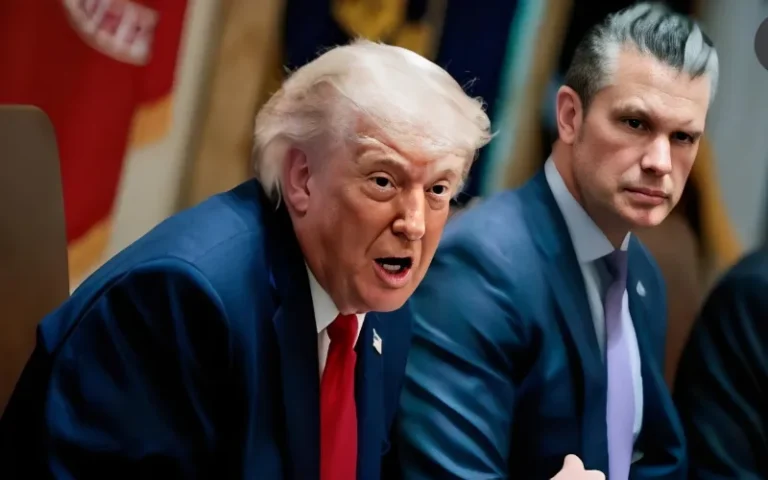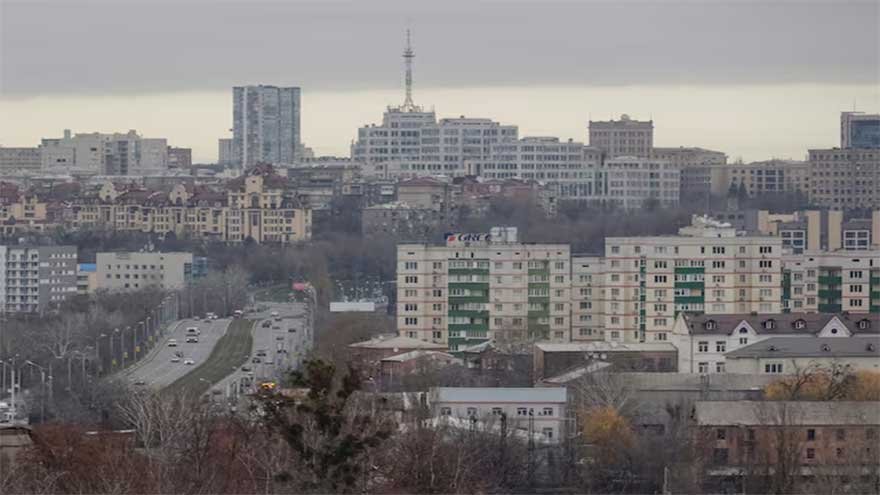
The recently disclosed US-backed 28-point peace plan aimed at ending the war in Ukraine was partially shaped by a Russian-authored proposal submitted to the Trump administration in October, according to three sources familiar with the matter. The Russian “non-paper,” an informal diplomatic document, outlined Moscow’s conditions for ending the conflict and was shared with senior US officials shortly after a meeting between President Donald Trump and Ukrainian President Volodymyr Zelenskiy in Washington.
Flooding in Southern Thailand Claims 33 Lives
The document echoed longstanding Russian demands, including significant territorial concessions in eastern Ukraine—terms Kyiv had already rejected. This marks the first confirmation that the Russian non-paper served as a key input in crafting the US peace plan, initially reported by Reuters in October.
The State Department, along with Russian and Ukrainian diplomatic missions in Washington, declined to comment. The White House also avoided addressing the non-paper directly but pointed to Trump’s statements expressing optimism about the plan’s progress. Trump said he had directed Special Envoy Steve Witkoff to meet President Vladimir Putin in Moscow, while Secretary of the Army Dan Driscoll would simultaneously hold talks with Ukrainian officials.
The rationale behind the Trump administration’s reliance on a Russian-authored document remains unclear. Senior US officials, including Secretary of State Marco Rubio, reportedly believed Moscow’s demands would be unacceptable to Kyiv. Rubio discussed the non-paper with Russian Foreign Minister Sergei Lavrov during a phone call, sources said. In Geneva this week, Rubio acknowledged receiving “numerous written non-papers,” without providing details.
Following the plan’s publication by Axios, skepticism has surged among US officials and lawmakers, many of whom view the proposal as overly aligned with Russian interests. Despite this, Washington has pressured Ukraine to engage, even warning that military aid could be affected if Kyiv refused to sign.
According to sources, the peace plan was shaped in part during a meeting in Miami last month between Jared Kushner, Steve Witkoff, and Kirill Dmitriev, the chief of a Russian sovereign wealth fund. Few within the White House or State Department were informed of that meeting. Bloomberg also reported that Witkoff had advised Kremlin aide Yuri Ushakov on how Putin should communicate with Trump.
After global backlash, the original 28-point plan underwent significant revisions. ABC News reported that nine points were removed during negotiations between senior US and Ukrainian officials. A bipartisan group of senators said Rubio had privately described the plan as a “Russian wish list,” though the White House and State Department denied this characterization.
Subsequent talks in Geneva led US, European, and Ukrainian officials to modify or remove the most pro-Russian elements of the draft. Meanwhile, Driscoll is holding discussions with a Russian delegation in Abu Dhabi, where a Ukrainian team is also present for talks with the US side.
Ukrainian officials said on Tuesday that they back the revised framework emerging from recent negotiations but insisted that the most sensitive issues—particularly territorial concessions—must be resolved during a possible meeting between Zelenskiy and Trump.