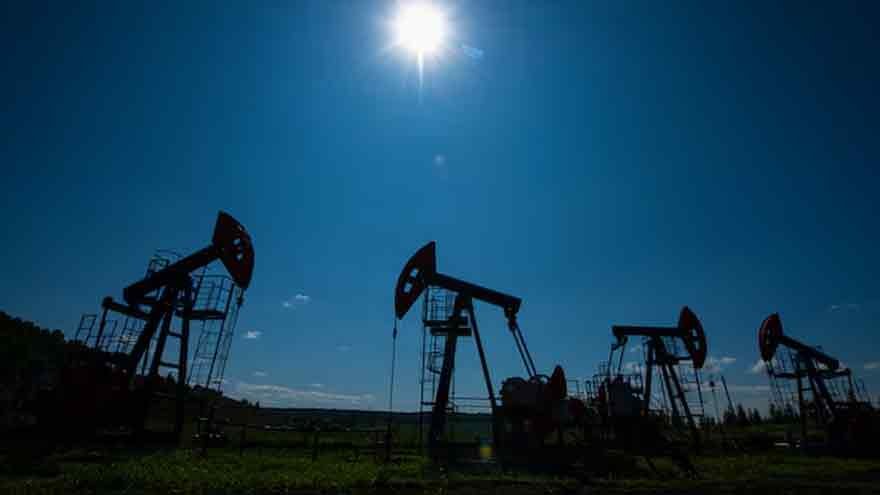
Oil prices hovered near two-week highs on Monday as investors anticipated a likely U.S. Federal Reserve interest rate cut this week — a move expected to stimulate economic growth and boost energy demand. Traders also kept a close watch on geopolitical tensions that could disrupt supply from Russia and Venezuela.
Bollywood Filmmaker Vikram Bhatt Arrested in ₹30 Crore Fraud Case
Brent crude futures rose 9 cents, or 0.14%, to $63.84 a barrel by 0321 GMT, while U.S. West Texas Intermediate (WTI) crude gained 8 cents, or 0.13%, to $60.16. Both benchmarks ended Friday at their strongest levels since November 18.
Markets now see an 84% probability of a quarter-point reduction at the Fed’s two-day meeting beginning Tuesday, according to LSEG data. However, public comments from board members suggest deep internal divisions, sharpening investor focus on the bank’s upcoming policy guidance.
In Europe, Ukraine peace negotiations remain sluggish, with major disagreements over security guarantees for Kyiv and the fate of territories held by Russia. Washington and Moscow also hold contrasting views on the peace plan put forward by U.S. President Donald Trump.
According to ANZ analysts, “Different outcomes from Trump’s latest push to end the war could result in a swing of more than 2 million barrels per day in global oil supply.”
Vivek Dhar of the Commonwealth Bank of Australia said a ceasefire represents the biggest downside risk for crude prices, while prolonged attacks on Russia’s energy infrastructure could drive prices sharply higher.
“We expect oversupply fears to eventually materialise, especially as Russian oil and refined products increasingly bypass existing sanctions. Futures are likely to trend toward $60 per barrel by 2026,” Dhar wrote.
Meanwhile, G7 nations and the European Union are considering replacing the current price cap on Russian oil with a full maritime services ban, sources told Reuters — a move that could further squeeze supplies from the world’s second-largest oil exporter.
Russian President Vladimir Putin criticised U.S. pressure on India to cut Russian fuel purchases, questioning Washington’s stance if it continues buying oil for itself.
The United States has also intensified pressure on OPEC member Venezuela, including strikes on vessels allegedly involved in drug smuggling and renewed discussions of potential military action against President Nicolás Maduro.
Elsewhere, China’s independent refiners have increased purchases of sanctioned Iranian crude from onshore storage facilities, using newly issued import quotas and easing a supply glut, according to trade sources.