According to well-placed sources in the Ministry of Finance, the government is preparing to seek relief within the ongoing International Monetary Fund (IMF) loan programme in a bid to accelerate economic growth, attract investment, reduce unemployment and poverty, lower electricity tariffs, provide tax incentives, and secure a reduction in the policy interest rate.
Gold Prices Slide on Profit-Booking, Strong Dollar Ahead of Key US Jobs Data
Sources said the government plans to formally request significant adjustments to the structure of the IMF programme. These proposals, discussed at the highest level, include relaxing primary balance and provincial budget surplus targets for the next fiscal year in consultation with the IMF. The option of setting a higher fiscal deficit target in the upcoming budget is also under consideration to create fiscal space. The Ministry of Finance has shared these proposals with Prime Minister Shehbaz Sharif.
After completing two years in office, the government aims to allow the economy to gain momentum in its third year, targeting economic growth of 5 to 6 percent in the final year of its tenure. Officials say the strategy is to keep the IMF programme on track while pursuing maximum relief within its framework.
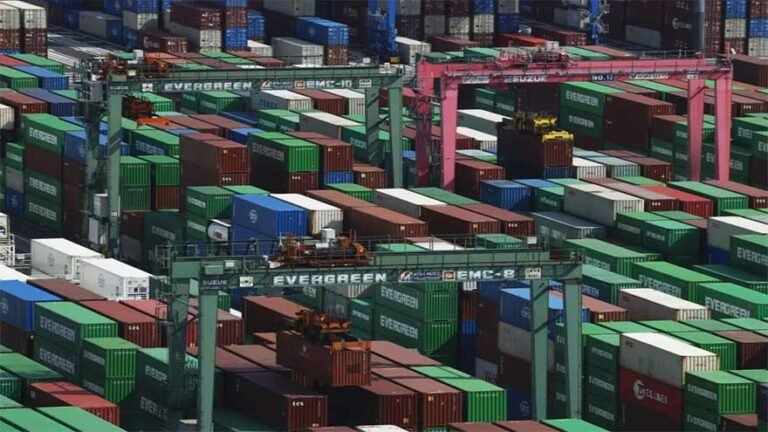
The Prime Minister has directed the Ministry of Finance and the Federal Board of Revenue (FBR) to work closely with the business community to encourage investment. Export-led growth has been identified as the top priority, with concern expressed over the trade deficit recorded between July and December of the current fiscal year.
Another key proposal focuses on boosting investment through all available avenues. The Special Investment Facilitation Council (SIFC) has been tasked with taking concrete steps to attract investment, which is expected to drive growth, create jobs, and help reduce unemployment and poverty.
The government is also considering further reductions in power tariffs to enhance the competitiveness of local industry in international markets. In parallel, efforts are underway to create fiscal space for tax incentives. Under a proposed new industrial policy, the government plans to reduce the super tax rate for the manufacturing sector.
Sources said the super tax on manufacturing is proposed to be gradually reduced to 5 percent over four years and abolished in the fifth year, subject to achieving a primary balance surplus. IMF approval of the new industrial policy is still pending.
It is also proposed to raise the minimum income threshold for super tax on the manufacturing sector from Rs200 million to Rs500 million. The threshold for a 10 percent super tax may be increased from Rs500 million to Rs1.5 billion, while overall super tax rates would be halved over four years.
The draft industrial policy includes measures to revive sick industrial units, rationalise tax rates, strengthen the bankruptcy framework, improve access to soft credit, protect investments, and increase manufacturing exports.
Another proposal under review is a cut in the policy interest rate in line with easing inflation to support private sector credit. Banks may also be assigned targets to expand lending to businesses.
All proposals will be discussed with the IMF, and if approval is secured, the government plans to incorporate them into the upcoming federal budget. However, formal talks with the IMF have not yet begun, and the Fund’s response remains uncertain.
Sources added that Prime Minister Shehbaz Sharif has directed a revision of the Uraan Pakistan Plan to align it with ground realities, with the Ministry of Planning reworking the framework. He has also instructed key ministries to develop out-of-the-box solutions to revive and sustain economic growth.