India has suffered a fresh diplomatic setback after being left out of the United States–led advanced technology alliance, Pax Silica, fueling criticism that the Modi government is facing increasing global isolation.
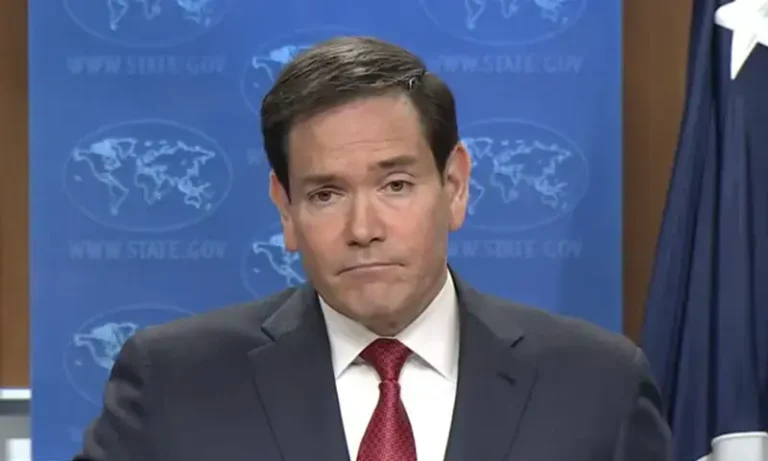
The United States has launched Pax Silica, a new strategic coalition focused on securing critical minerals and advanced technology supply chains, with the goal of building a resilient and trusted global silicon ecosystem. Despite ongoing trade and technology engagements between Washington and New Delhi, India was not invited to join the initiative.
According to the US State Department, Pax Silica aims to support innovation-driven and secure supply networks for next-generation technologies. The framework spans the entire value chain, including critical minerals, energy inputs, advanced manufacturing, semiconductors, artificial intelligence infrastructure and logistics.
A key objective of the alliance is to reduce dependence on Chinese-dominated supply chains, counter what Washington describes as “coercive dependencies,” and safeguard materials and capabilities essential for artificial intelligence and emerging technologies.
The first Pax Silica Summit will include Japan, South Korea, Singapore, the Netherlands, the United Kingdom, Israel, the United Arab Emirates and Australia. US officials have highlighted that these countries host some of the world’s most influential companies and investors shaping the global AI and semiconductor industries.
India’s absence from the core group has drawn sharp political reactions at home. Opposition leaders have described the exclusion as a major embarrassment for the Modi government. Citing a report in The Indian Express, opposition figures linked the development to India’s military setback against Pakistan in May.
Senior Congress leader Jairam Ramesh said India’s exclusion from a major US-led alliance after May 10 was “not surprising,” arguing that recent events had contributed to what he described as growing global humiliation for New Delhi.
Opposition parties have further argued that the development exposes the limits of India’s diplomatic influence, despite government claims of strong personal ties between Prime Minister Narendra Modi and US President Donald Trump.
The omission is particularly notable given recent India–US cooperation. In 2024, both countries signed a memorandum of understanding on critical minerals supply chains, alongside progress under the Initiative on Critical and Emerging Technologies (iCET), signaling closer collaboration in technology and clean energy sectors.
However, analysts say India’s exclusion from Pax Silica — a forum focused on the most advanced segments of the AI and semiconductor ecosystem — suggests that New Delhi may not yet be viewed as a top-tier partner in high-end advanced manufacturing and AI supply chains.
Indian officials have so far remained silent on the matter, a lack of response that has further intensified political debate over the direction and effectiveness of India’s foreign policy.