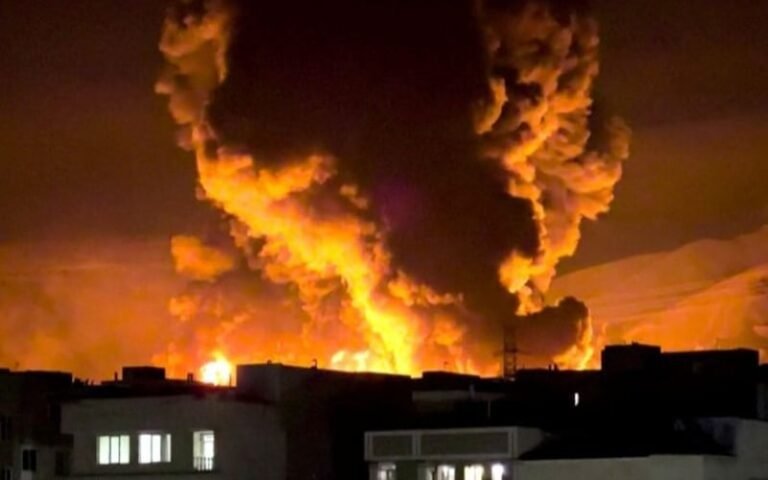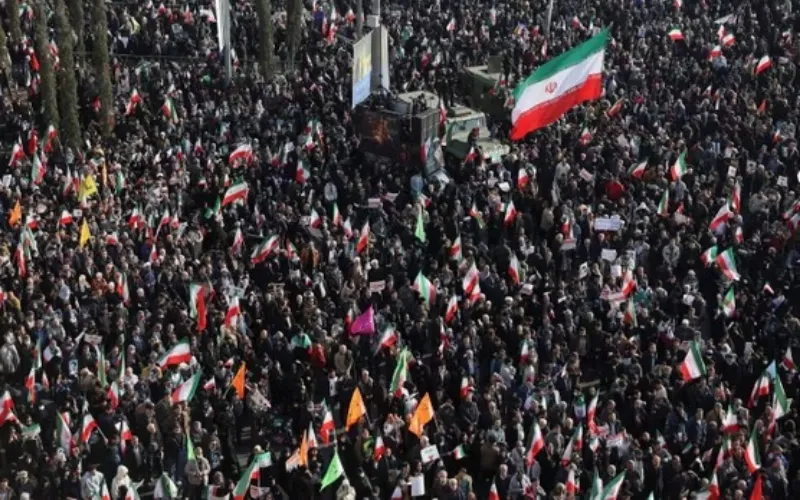
Iranian authorities announced on Saturday that they had arrested several members of the Bahai minority, accusing them of organising recent unrest across the country, according to state-affiliated Tasnim News Agency.
Trump Forms ‘Board of Peace’ for Postwar Gaza, Invites Global Leaders
In a statement, Iran’s intelligence ministry claimed it had uncovered a “32-member network of the Bahai espionage cult” allegedly involved in riots and acts of vandalism. Officials said 12 “key operatives” had been arrested, while another 13 individuals had been summoned for questioning. The ministry alleged the network operated nationwide, including in Tehran, with its main base in the northeastern city of Mashhad.
The Bahais, Iran’s largest non-Muslim religious minority, have long faced systematic persecution in the Islamic Republic. Iranian authorities frequently accuse the community of espionage and of maintaining links with Israel, allegations that the Bahai community has consistently denied.
The arrests come after weeks of nationwide protests driven by worsening economic conditions. The demonstrations grew into the largest anti-government unrest seen in more than three years before being forcefully suppressed by security forces. Human rights organisations say the crackdown resulted in thousands of deaths, though Iranian authorities dispute those figures.
International rights groups have repeatedly criticised Iran’s treatment of the Bahai community. Human Rights Watch has previously described the state’s long-running persecution of Bahais as a “crime against humanity,” citing arbitrary arrests, denial of education and employment, and systematic harassment.
The exact number of Bahais currently living in Iran is unclear, but supporters estimate that several hundred thousand members of the community remain in the country despite decades of pressure and discrimination.