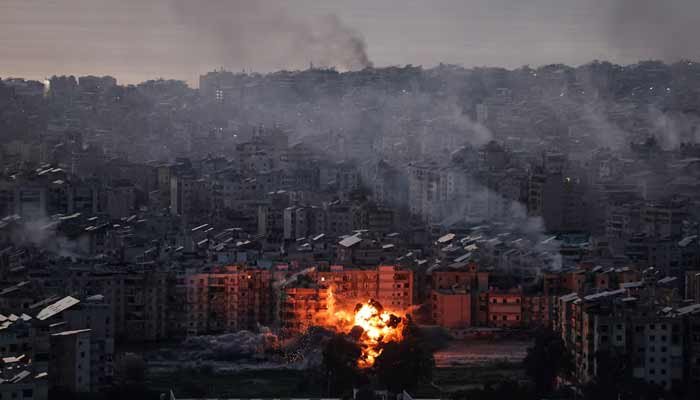
The ongoing conflict in the Middle East has caused the largest oil supply disruption in the history of the global energy market, according to the International Energy Agency (IEA).
PM Shehbaz Sharif Makes Emergency Visit to Saudi Arabia for Regional Security Talks
In its latest monthly oil market report released Thursday, the agency said countries in the Persian Gulf region have cut oil production by at least 10 million barrels per day — nearly 10 percent of global demand — due to the escalating conflict.
The IEA warned that the losses could increase further if shipping routes remain blocked, particularly following the closure of the strategic Strait of Hormuz, a key passage for global oil and gas shipments.
To stabilise the market, the IEA has recommended releasing a record 400 million barrels of oil from global strategic reserves. The decision marks the largest coordinated release of emergency oil stockpiles in history.
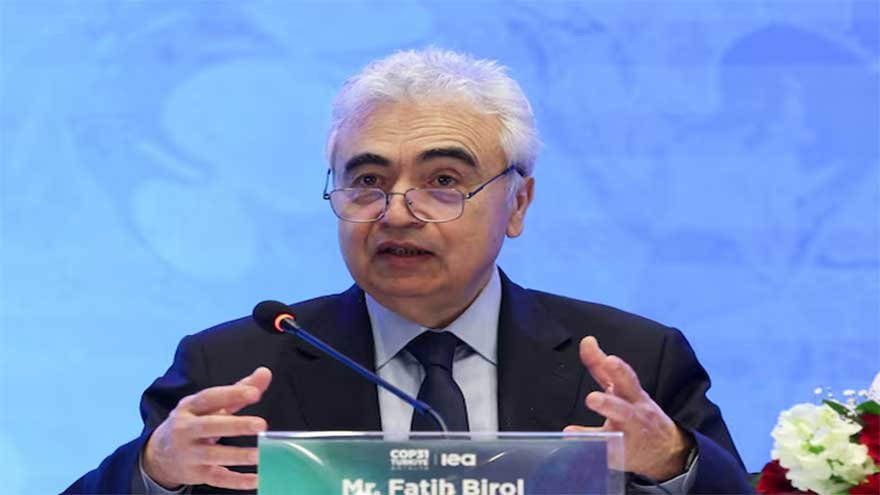
Speaking at a press conference in Istanbul, IEA Executive Director Fatih Birol said the move had already begun to influence global energy markets.
“We are already seeing a strong impact from this move,” Birol said, adding that global energy markets are currently experiencing an “extremely critical period” due to the crisis.
The proposed release exceeds the 182 million barrels released by IEA member countries in 2022 following the Russian invasion of Ukraine.
The latest disruption is linked to the ongoing US-Israeli war on Iran, which has severely affected oil production and maritime routes in the region.
Meanwhile, US President Donald Trump said the release of strategic reserves would “substantially” reduce global oil prices.
However, Iranian officials warned that prices could surge to as high as $200 per barrel after attacks on oil tankers in Iraqi waters and other vessels near the Strait of Hormuz.
Energy analysts caution that prolonged conflict could lead to sustained volatility in oil prices, supply shortages and wider disruptions across global energy markets.