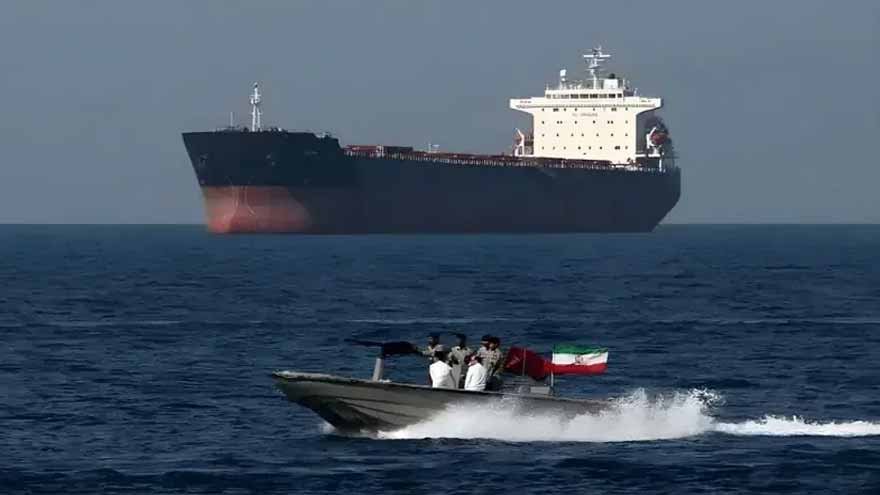
A crude oil tanker carrying supplies for Pakistan has successfully navigated the strategically vital Strait of Hormuz despite escalating regional tensions, according to a report by Bloomberg.
Karachi Milk Quality Drive: Multiple Dairies Fined in Shah Faisal Colony
Citing ship-tracking data, the report said the vessel Karachi, operated by the Pakistan National Shipping Corporation (PNSC), completed its passage through the narrow waterway on Sunday.
The Pakistan-flagged Aframax tanker, built in 2022, was later observed near the port city of Sohar after transiting the region. The vessel reportedly sailed close to Larak Island before continuing along Iran’s coastline and exiting the strait.
The report also noted that other vessels, including bulk carriers and liquefied petroleum gas tankers, have continued to pass through the waterway while keeping their tracking systems active, despite some ships switching off transponders due to security concerns.
According to Harrison Prétat of the Asia Maritime Transparency Initiative under the Center for Strategic and International Studies, the continued movement of vessels could suggest that Iran is managing or regulating maritime traffic through the passage.
The Strait of Hormuz is one of the world’s most critical energy corridors, handling nearly 20 percent of global oil and liquefied natural gas shipments. However, shipping activity has slowed in recent days due to heightened tensions following military strikes involving the United States and Israel.
Iran has warned that vessels linked to the United States and its allies could be targeted, while suggesting that ships from friendly nations would remain unaffected.
Meanwhile, Donald Trump has urged allied countries, including China, to help ensure safe passage through the strait. However, nations such as the United Kingdom, Germany, Australia, and Japan have so far adopted a cautious stance and have not committed to military involvement.
The situation continues to raise concerns over potential disruptions to global energy supplies and broader economic impacts.