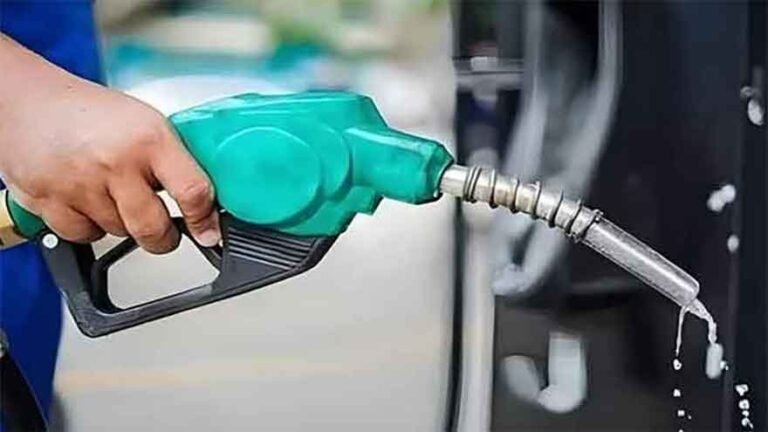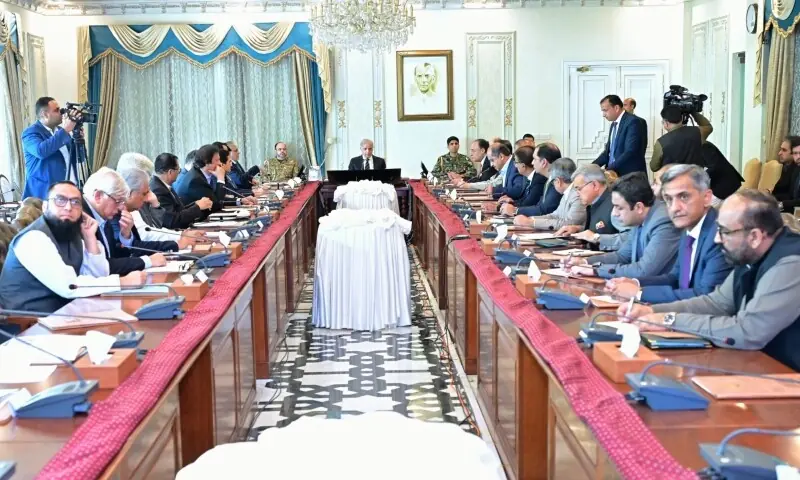
Shehbaz Sharif on Friday chaired a high-level meeting on petroleum products and directed provincial governments to take strict legal action against those involved in hoarding fuel, according to a statement from the Prime Minister’s Office.
20 Killed in Gilgit-Baltistan Violence After Khamenei Assassination; Military Trials Planned
During the meeting, the Ministry of Petroleum provided a detailed briefing on the country’s petroleum reserves in light of the evolving regional situation. Officials said Pakistan currently has sufficient stocks of petroleum products to meet national demand.
The prime minister instructed provincial authorities to take immediate legal action against individuals or businesses hoarding fuel. He ordered that any petrol pump found creating an artificial shortage should be closed immediately, its licence cancelled, and legal proceedings initiated.
Sharif also directed the petroleum minister to visit provinces and coordinate with provincial governments to prepare a comprehensive strategy aimed at conserving petroleum products while ensuring uninterrupted fuel supply to the public.
To improve oversight, the premier ordered the creation of a digital dashboard to monitor the movement of petroleum products nationwide. The system will allow real-time data sharing with provincial authorities and help track fuel transportation across the country.
The meeting was attended by Deputy Prime Minister and Foreign Minister Ishaq Dar, Finance Minister Muhammad Aurangzeb, along with several federal ministers, the governor of the State Bank of Pakistan, and chief secretaries from all provinces and regions.
The discussions took place as the conflict between the United States and Israel with Iran entered its sixth day, raising concerns about disruptions in global supply chains. Shipping through the Strait of Hormuz has been severely affected, posing risks to oil transportation.
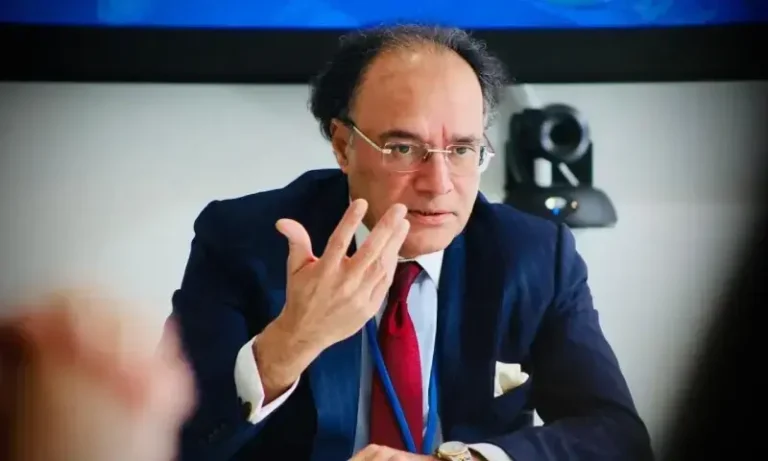
According to Aurangzeb, there is currently no fuel shortage in Pakistan, but the situation could become serious if the conflict continues. Pakistan has already requested Saudi Arabia to facilitate an alternative oil supply route through the Red Sea to maintain the country’s fuel supply chain.
The government has also decided in principle to introduce weekly petroleum price adjustments starting March 8 to reflect rising insurance, freight, and war-related costs. Additionally, authorities are considering reviving several measures introduced during the COVID-19 pandemic—such as distance learning, work-from-home arrangements, and car-pooling—to reduce economic pressure and foreign exchange losses.
A national action plan to address the emerging situation has been finalised in consultation with provincial and regional governments. The plan will be presented to the prime minister and, after final approval, submitted to the Economic Coordination Committee of the cabinet for implementation.