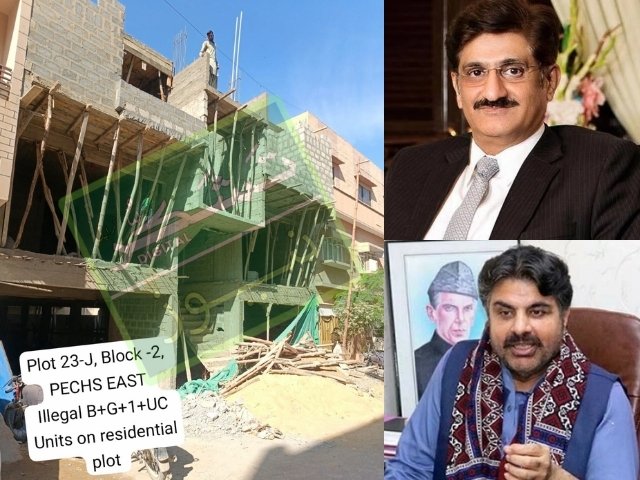
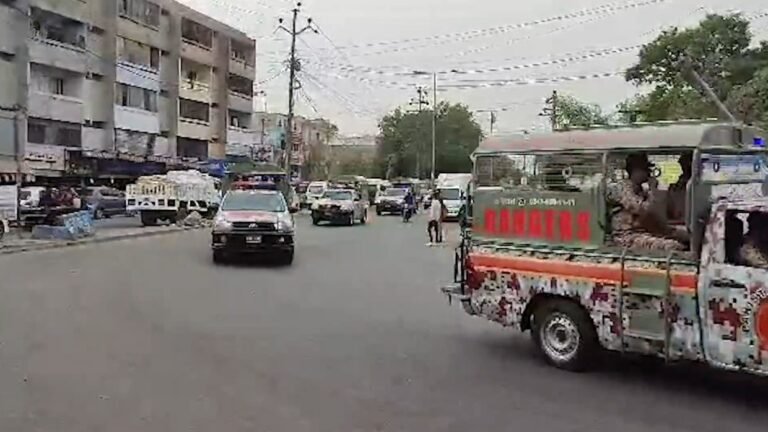
Karachi, February 1, 2026: The Sindh Building Control Authority (SBCA) carried out a major operation against illegal constructions in Karachi during January, demolishing 147 unlawfully built structures across the city. While authorities described the action as a non-discriminatory enforcement drive, critics question how these buildings were allowed to exist in the first place.
The operation was reportedly launched on the directives of Sindh Minister for Local Government Syed Nasir Hussain Shah. SBCA officials stated that long-standing illegal structures were removed as part of the crackdown to enforce city planning regulations.
However, urban planners and civil society experts have warned that such buildings do not emerge overnight. The construction of illegal structures typically involves building plans, no-objection certificates (NOCs), inspections, and, at times, official approvals or deliberate inaction. Observers argue that the demolitions reveal systemic regulatory failures rather than isolated violations.
A district-wise breakdown of the operation showed:
District East: 68 demolitions
District Central: 46 demolitions
District South: 13 demolitions
Korangi: 6 demolitions
West District: 5 demolitions
Keamari: 4 demolitions
Industrial Zone: 3 demolitions
Malir: Action was also carried out in peripheral areas
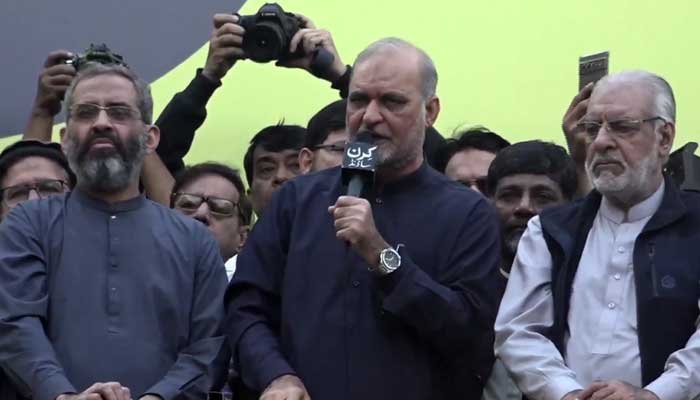
The crackdown has reignited public debates about accountability. Critics emphasize that responsibility extends beyond builders to include officials who approved or ignored unlawful constructions. The issue has gained urgency following the Gul Plaza tragedy, which underscored the deadly consequences of poor urban regulation.
SBCA has announced that action against illegal constructions will continue. However, citizens and analysts are calling for criminal proceedings against officials involved in granting illegal approvals, greater transparency, and stricter measures against influential construction mafias. Many argue that while demolishing 147 buildings is a significant step, true reform requires holding those who enabled the violations accountable.