Transparency International Pakistan has published its NCPS 2025 survey, revealing a marked decline in the perceived impact of corruption across the country. The findings point to improved transparency, stronger economic confidence, and growing public demand for greater political and institutional accountability.
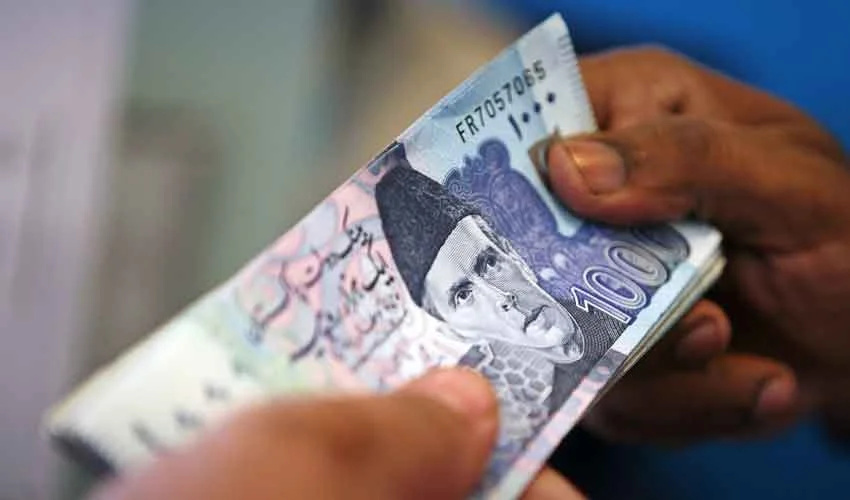
According to the report, 66% of Pakistanis said they did not pay any bribe for government services in the past year, a key indicator of progress in public perception. The NCPS measures perceptions, not actual corruption levels, offering insight into how citizens view government performance and service delivery.
Improved economic confidence
The survey shows rising optimism about the economy, with 60% of respondents stating that Pakistan’s economic stability has improved after securing the IMF agreement and exiting the FATF grey list. The report notes that Pakistan is transitioning “from stagnation to stability and from stability to growth.”
When asked about purchasing power, 43% reported improvement, while 57% felt it had declined, reflecting mixed but gradually improving sentiment.
Sector-wise corruption perception
Despite overall progress, the police remain the most corruption-prone institution according to respondents. Tendering and procurement ranked second, followed by the judiciary, the power and energy sector, and the health sector.
However, the report noted a 6% improvement in public perception of the police, citing better conduct, reformed service delivery, and a significantly larger survey sample — 4,000 participants this year compared to 1,600 in 2023. Positive sentiment also increased in education, land and property, local government, and taxation.
Growing demands for accountability
The survey reflects strong nationwide support for stronger anti-corruption measures:
83% want a complete ban or tighter control on business-funded political parties.
51% say tax-exempt institutions should not charge fees to the public.
53% want welfare organizations to publicly disclose donor lists and donation records.
42% demand stronger whistleblower protection.
70% say they are unaware of any official corruption reporting mechanism.
Respondents identified lack of transparency, restricted access to information, and delays in corruption case verdicts as the leading drivers of corruption. Furthermore, 59% believe provincial governments are more corrupt than other tiers of governance.
The NCPS 2025 survey was conducted from September 22 to 29 with 4,000 participants — 55% men, 43% women, 2% transgender; 59% urban, 41% rural.
Prime Minister expresses satisfaction
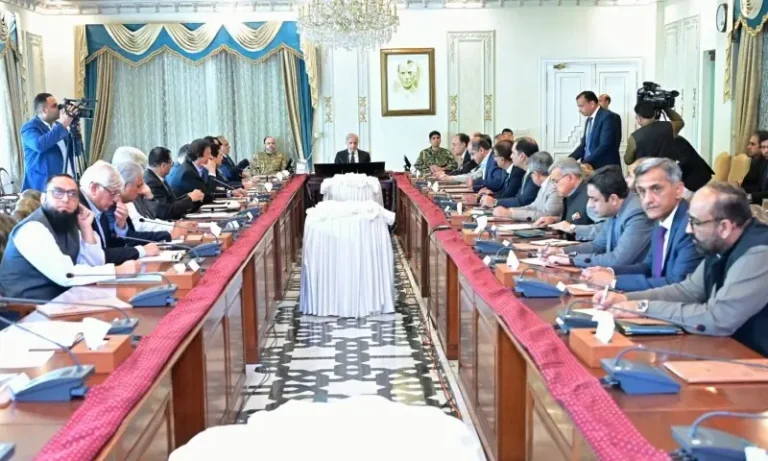
Prime Minister Shehbaz Sharif welcomed the survey results, saying he was pleased that a majority of citizens reported not encountering corruption during his administration. He said the report validates the government’s reforms aimed at transparency, accountability, and institutional merit.
Calling the findings “very encouraging,” the prime minister said the public’s improved economic outlook reflects the success of the government’s policies. He added that ongoing reforms, better economic indicators, and positive public sentiment demonstrate the effectiveness of the administration’s efforts.
“With economic stability, Pakistan’s journey toward development has begun,” he said, reaffirming his commitment to strengthening the economy, improving service delivery, and eliminating corruption.