Trump Lifts 40% Tariffs on Brazilian Food Products, Including Coffee and Beef
US President Donald Trump on Thursday removed 40% tariffs on Brazilian food products, including beef, coffee, cocoa, and fruits, which were originally imposed in July. The tariffs had been introduced to penalize Brazil over the prosecution of former President Jair Bolsonaro, a Trump ally.
US President Donald Trump on Thursday removed 40% tariffs on Brazilian food products, including beef, coffee, cocoa, and fruits, which were originally imposed in July. The tariffs had been introduced to penalize Brazil over the prosecution of former President Jair Bolsonaro, a Trump ally.
The move follows a similar decision last Friday to lift tariffs on several agricultural products from other countries, as the White House reverses measures that had contributed to rising food prices in the United States.
According to the executive order, the tariff removal applies to Brazilian imports to the US on or after November 13, and may include refunds for duties already collected while the tariffs were in effect.
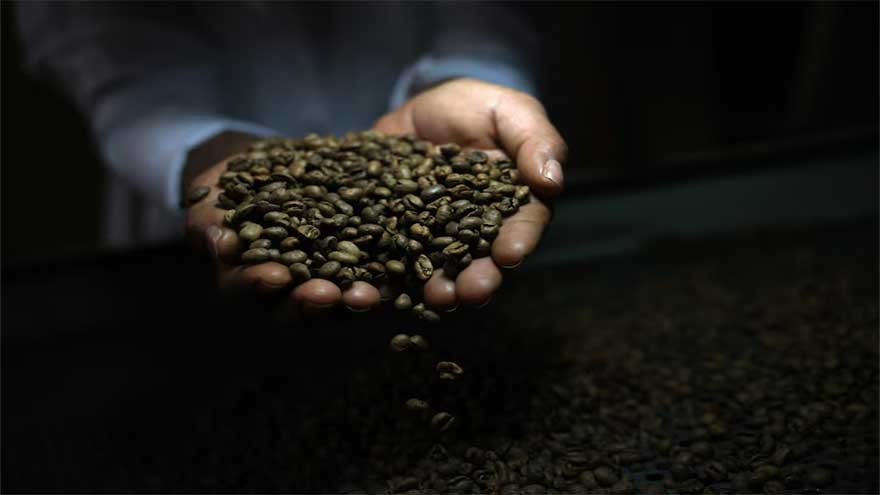
Brazil supplies roughly one-third of the coffee consumed in the United States — the world’s largest coffee market — and has recently become a key supplier of beef, particularly varieties used in burgers. US retail coffee prices surged as much as 40% this year due to the tariffs and other factors, such as weather-related production shortfalls.
Rising food prices have been cited as a significant factor behind Trump’s declining approval ratings, which Reuters/Ipsos polls indicate are at their lowest since his return to power.
“You can expect some thousands of bags of Brazilian coffee that were sitting in bonded warehouses to start moving quickly to U.S. roasters,” said commodities analyst Judith Ganes, president of J. Ganes Consulting. Importers had stored goods in bonded warehouses after the tariffs were announced, awaiting potential adjustments.
Brazil’s beef industry group ABIEC welcomed the decision, calling it a demonstration of the “effectiveness of trade negotiations” and confirming its intent to continue expanding market share in the US.
Trump’s order did not reference sanctions or actions previously taken against Brazilian authorities, including Supreme Court Justice Alexandre de Moraes and others, over the prosecution and conviction of Bolsonaro for plotting a coup after losing the 2022 election. Some Brazilian officials had faced US visa restrictions and sanctions under the Global Magnitsky Act.
Brazilian President Luiz Inacio Lula da Silva expressed relief at the removal of the 40% tariff, highlighting the positive impact on trade relations.