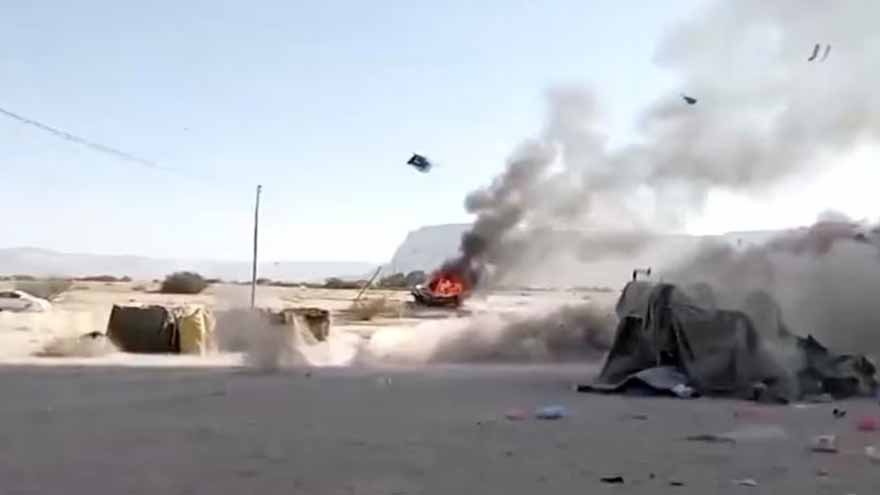
The United Arab Emirates on Saturday expressed deep concern over the escalating situation in Yemen after Saudi-backed government forces moved into areas seized last month by UAE-backed southern separatists seeking independence.
Global Reactions Emerge After US Launches Strikes on Venezuela
The fast-moving crisis has exposed a serious rift between the two Gulf allies and fractured the coalition supporting Yemen’s internationally recognised government in its fight against the Iran-backed Houthi movement.
In a statement, the UAE urged all Yemeni parties to exercise restraint and prioritise dialogue in order to preserve security and stability. The remarks came hours after the UAE-backed Southern Transitional Council (STC) announced plans to hold a referendum on southern independence within two years, even as its forces were pushed out of key territories they had abruptly captured last month.
Saudi-backed forces said they took control of strategic locations in Hadramout province on Friday, and witnesses reported their entry into parts of the provincial capital Mukalla on Saturday. Hadramout, which borders Saudi Arabia and includes vast desert areas, is a strategically significant region.
Yemen, divided for nearly a decade by conflict, occupies a crucial geopolitical position between Saudi Arabia and the Bab al-Mandeb strait, a vital maritime route linking Europe and Asia.
The STC, long part of the internationally recognised government and backed by Gulf states against the Houthis, launched the crisis by seizing large swathes of territory last month, asserting control over much of the former South Yemen, which united with the north in 1990.
Following the takeover, the leadership of the internationally recognised government, including STC ministers and previously based in Aden, relocated to Saudi Arabia, which viewed the southern advance as a threat to its national security.
Presidential Council chief Rashad al-Alimi said he had asked Saudi Arabia to host a forum to address the southern issue, expressing hope that it would unite all southern factions.
The standoff has triggered the most serious split in decades between Saudi Arabia and the UAE, raising concerns about broader regional implications. Saudi Arabia earlier bombed a base in Hadramout and demanded the withdrawal of remaining UAE forces from Yemen, calling their presence a red line for its security — a request the UAE complied with.
The STC’s call for a two-year transition leading to an independence referendum marks its clearest signal yet of its intent to secede and reshape Yemen’s political future.