WASHINGTON: The United States has thanked Pakistan for supporting President Donald Trump’s Gaza peace initiative and for joining the newly formed Board of Peace (BoP), highlighting renewed diplomatic engagement between the two countries.
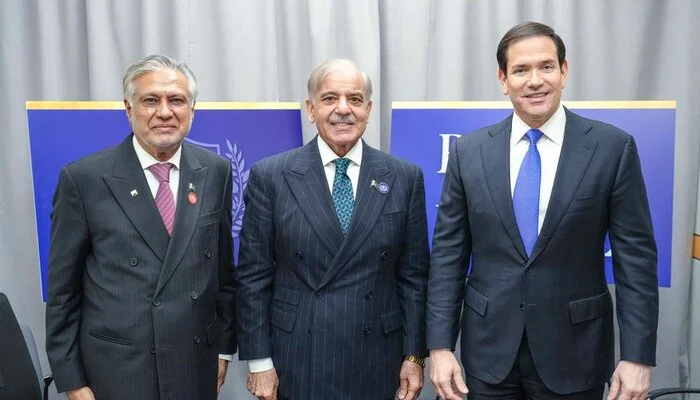
US Secretary of State Marco Rubio shared details of his meeting with Prime Minister Shehbaz Sharif and Deputy Prime Minister and Foreign Minister Ishaq Dar, praising Pakistan’s “ongoing support” for the Gaza peace plan.
Rubio said discussions also focused on strengthening the strategic relationship between Washington and Islamabad, particularly cooperation in critical minerals development and counterterrorism efforts.
Responding on social media, Dar thanked the US secretary of state for what he described as productive talks, reaffirming that Pakistan values its longstanding partnership with the United States and aims to expand cooperation in peacebuilding, trade, and economic ties.
Prime Minister Shehbaz attended the inaugural meeting of the Trump-led Board of Peace in Washington, where he reiterated Pakistan’s commitment to achieving lasting peace in Gaza. He described participation in the forum as an honour and expressed hope that the initiative would contribute to long-term stability in the conflict-hit region.
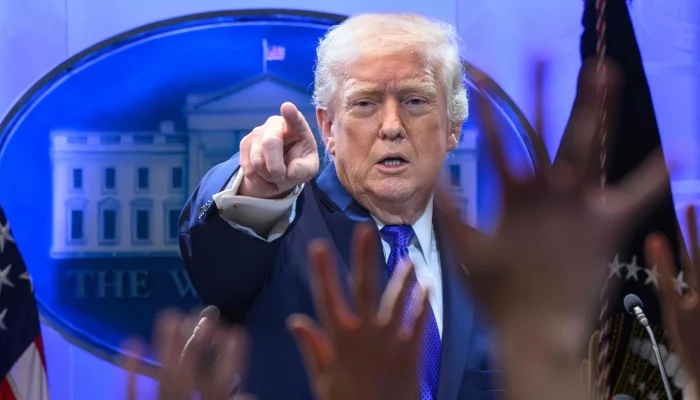
During his address, Trump praised Pakistan’s leadership, including Chief of Army Staff Asim Munir, and acknowledged Islamabad’s role in global peace efforts.
Federal Information Minister Attaullah Tarar said Pakistan received an “extraordinary reception” at the meeting, adding that the country’s active diplomacy has enhanced its international standing.
On the sidelines of the event, Prime Minister Shehbaz held cordial interactions with several world leaders, including Hamad bin Isa Al Khalifa, Ilham Aliyev, Shavkat Mirziyoyev, Kassym-Jomart Tokayev and Prabowo Subianto, where discussions focused on regional and global cooperation.
The Board of Peace initiative, first proposed by Trump last year to address the Gaza conflict, is expected to expand its scope to include broader international disputes, reflecting efforts to promote global stability through multilateral engagement.