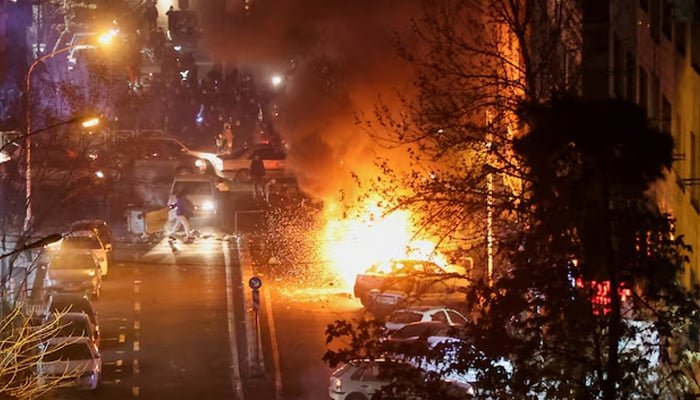
Washington, January 14, 2026: The United States on Thursday imposed sanctions on five Iranian officials accused of orchestrating the violent crackdown on nationwide protests, while warning that it is monitoring Iranian leaders’ funds being transferred to banks worldwide. The move comes as the Trump administration escalates pressure on Tehran.
The US Treasury Department said sanctions target the Secretary of Iran’s Supreme Council for National Security, alongside commanders of the Islamic Revolutionary Guard Corps and law enforcement forces, accusing them of masterminding the crackdown on dissent.
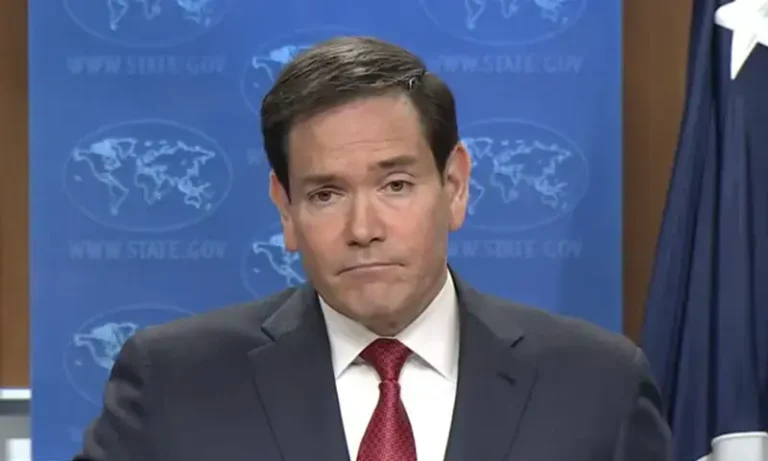
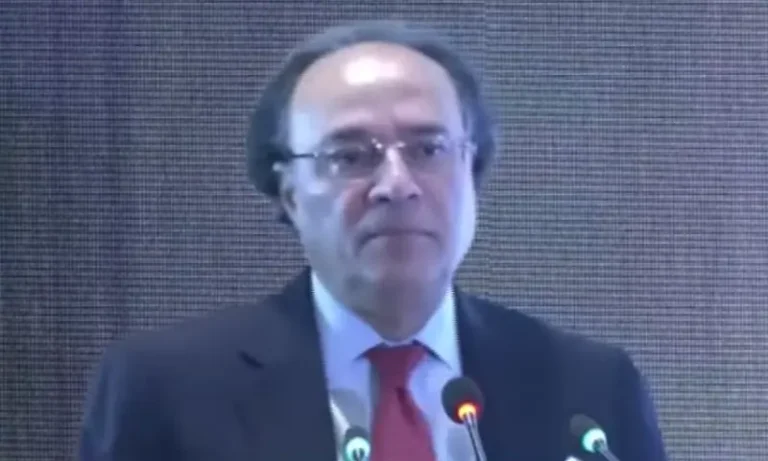
Treasury Secretary Scott Bessent emphasized in a video statement that Washington is tracking assets allegedly siphoned by Iranian officials: “US Treasury knows that, like rats on a sinking ship, you are frantically wiring funds stolen from Iranian families to banks and financial institutions around the world. Rest assured, we will track them and you.”
Bessent also extended an olive branch, stating: “But there’s still time, if you choose to join us. As President Trump has said, stop the violence and stand with the people of Iran.”
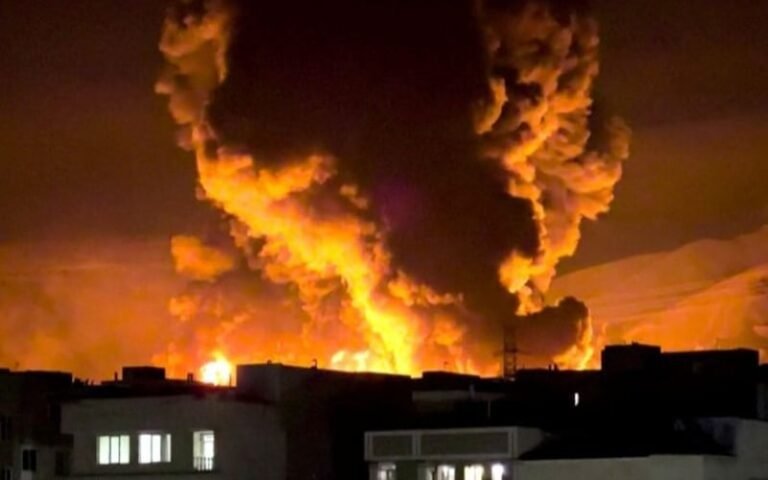
The unrest, which began over soaring prices, has grown into one of the most significant challenges to the Iranian establishment since the 1979 Islamic Revolution. Trump has repeatedly threatened to intervene on behalf of protesters, as Tehran cracks down on dissent.
In addition to the five officials, the Treasury sanctioned 18 individuals involved in laundering proceeds from Iranian petroleum and petrochemical exports through “shadow banking” networks of sanctioned Iranian financial institutions. Thursday’s action is part of the broader “maximum pressure” campaign aimed at curbing Iran’s oil exports and preventing nuclear development.
Separately, in an exclusive Reuters Oval Office interview, President Trump commented on Iranian opposition figure Reza Pahlavi. While describing Pahlavi as “very nice,” Trump expressed uncertainty over whether he could garner support inside Iran. “I don’t know whether or not his country would accept his leadership, and certainly if they would, that would be fine with me,” he said.
Pahlavi, 65, has lived outside Iran since before his father was toppled in the 1979 revolution and has emerged as a prominent voice in recent protests. Experts, including Sanam Vakil of Chatham House, caution that his actual support within Iran remains uncertain.
Trump also acknowledged the possibility that the Iranian government could fall amid the unrest but warned that “any regime can fail” and described the coming period as “interesting.”