Aidarous al-Zubaidi, leader of Yemen’s Southern Transitional Council (STC), failed to board a flight to Riyadh and instead fled to an unknown location, the Saudi-led coalition said on Wednesday, amid renewed efforts to defuse fighting in southern Yemen.
Trump Unveils Plan to Sell Venezuelan Oil After Maduro’s Capture
Zubaidi was scheduled to travel to Saudi Arabia days after Yemen’s internationally recognised government requested Riyadh to host talks on the southern issue. However, coalition spokesperson Turki al-Maliki said the flight departed after a delay of more than three hours without Zubaidi on board, and his whereabouts remain unknown.
During the delay, the coalition said intelligence indicated that Zubaidi had mobilised large armed forces, with calls for mobilisation and the movement and arming of factions using light and medium weapons.
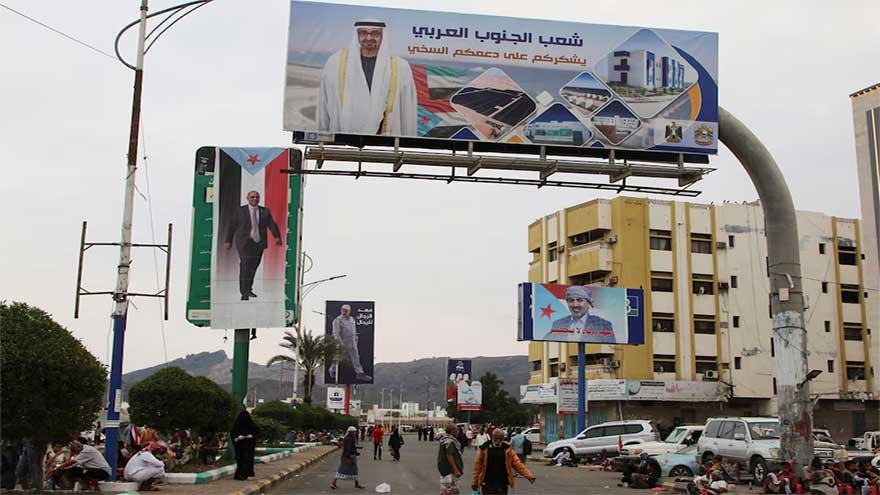
The development comes against the backdrop of clashes last month between the UAE-backed STC and Yemen’s Saudi-backed government, exposing a deep rift between the two Gulf allies. The coalition, originally formed to combat the Iran-aligned Houthi movement, has been increasingly strained by competing interests in southern Yemen.
The Houthis, who seized the capital Sanaa in 2014, remain the dominant military force in much of the country, despite years of conflict following the Saudi-led intervention in 2015.
The coalition said it carried out limited pre-emptive airstrikes in Yemen’s southern province of al-Dhalea after monitoring armed groups leaving their camps. Local sources and STC insiders reported more than 15 airstrikes in the province, which is also Zubaidi’s birthplace.
Following the incident, Yemen’s Saudi-backed Presidential Leadership Council stripped Zubaidi of his membership and referred him to the public prosecutor on charges including high treason, incitement of armed rebellion, attacks on constitutional authorities and abuses against civilians, state news agency SABA reported.
The STC, which has long sought southern independence, has formally been part of Yemen’s internationally recognised government for years, despite repeated power struggles and armed confrontations in the south.