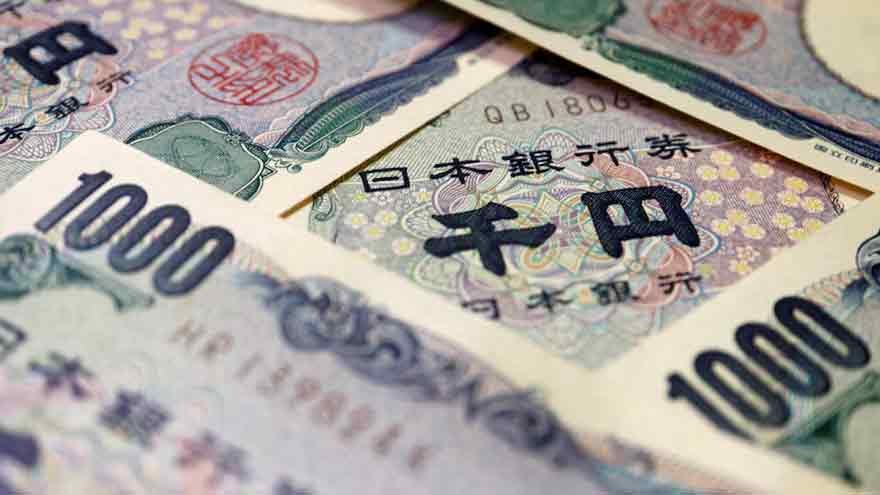
The Japanese yen strengthened on Wednesday after reports suggested the Bank of Japan (BOJ) is preparing markets for a potential interest rate hike as early as next month. Meanwhile, the New Zealand dollar surged after the Reserve Bank of New Zealand (RBNZ) signalled a likely end to its easing cycle.
Oil Prices Edge Higher After One-Month Lows Amid Hopes for Russia-Ukraine Peace Deal
Sources familiar with BOJ policy said the central bank’s recent messaging has refocused market attention on inflationary risks stemming from a weak yen, countering earlier concerns about the U.S. economy. The news helped the yen reverse earlier losses, with the dollar falling 0.2% to 155.75 yen.
Despite these gains, the yen faces ongoing pressure due to Japan’s fiscal concerns and the BOJ’s cautious stance on further rate hikes. Traders are also monitoring the risk of direct intervention by Japanese authorities, potentially during the U.S. Thanksgiving holiday, when thinner liquidity could amplify market impact. “A direct intervention is definitely a risk this week, just based on the comments from Japanese officials,” said Carol Kong, currency strategist at Commonwealth Bank of Australia.
In New Zealand, the kiwi jumped 1.2% to $0.5688 after the RBNZ lowered rates to 2.25%—in line with expectations—but delivered a more hawkish outlook. The central bank now forecasts the cash rate at 2.20% in Q1 2026 and 2.65% in Q4 2027, prompting traders to sharply trim expectations for further cuts. Jarrod Kerr, chief economist at Kiwibank, noted that the central bank’s neutral stance helped push the currency higher.
The Australian dollar also gained 0.4% to $0.6495 following October inflation data that exceeded forecasts, diminishing expectations for further policy easing.
Broadly, the U.S. dollar weakened amid softer economic data that heightened expectations of a Federal Reserve rate cut in December. Retail sales for September rose less than anticipated, producer prices aligned with forecasts, and consumer confidence declined in November. Market tools now indicate an 84% chance of a 25-basis-point Fed cut next month.
Investor sentiment was further influenced by reports that White House economic adviser Kevin Hassett is the frontrunner to become the next Fed chair. Hassett, aligned with former President Trump’s preference for lower interest rates, could reinforce expectations for a dovish policy shift.
Against a basket of currencies, the dollar fell 0.2% to 99.67. The euro edged toward $1.16, supported by optimism over progress in a U.S.-backed Russia-Ukraine peace plan, while sterling rose 0.2% to $1.3191 ahead of the UK budget announcement.