Despite rapid advances in artificial intelligence, the human brain retains a remarkable edge in transferring skills and learning across multiple tasks. A new study from Princeton University sheds light on the mechanisms behind this cognitive flexibility.
Netflix Confirms Warner Bros Acquisition, Pledges Theatrical Releases Amid Paramount Rivalry
The research team studied rhesus macaques, close biological relatives of humans, rather than running tests directly on people. The monkeys were asked to identify shapes and colors on a screen and respond by looking in specific directions while brain scans monitored their neural activity.
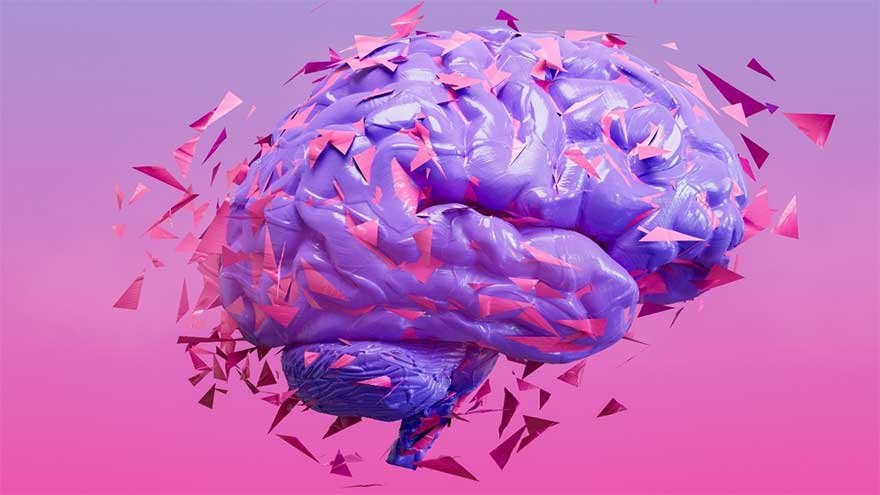
The scans revealed that the monkeys’ brains use distinct “blocks” of neurons—described as “cognitive Legos” by the researchers—which can be repurposed and recombined across different tasks. This neural modularity allows the brain to adapt existing knowledge to new challenges, a flexibility that even the most advanced AI models struggle to replicate.
“State-of-the-art AI models can reach human, or even super-human, performance on individual tasks,” said neuroscientist Tim Buschman. “But they struggle to learn and perform many different tasks. We found that the brain is flexible because it can reuse components of cognition in many different tasks.”
The study also found that when certain cognitive blocks aren’t needed, neural activity in those areas is reduced, allowing the brain to focus on the task at hand. Buschman explained, “I think about a cognitive block like a function in a computer program. One set of neurons might discriminate color, and its output can be mapped onto another function that drives an action.”
This research provides insight into how humans and closely related primates can tackle novel challenges by leveraging existing knowledge, highlighting the gap between biological intelligence and current AI capabilities.