More than two weeks of nationwide protests have emerged as the most serious challenge in years to Iran’s theocratic leadership, but analysts caution that it is still too early to predict the imminent downfall of the Islamic republic.
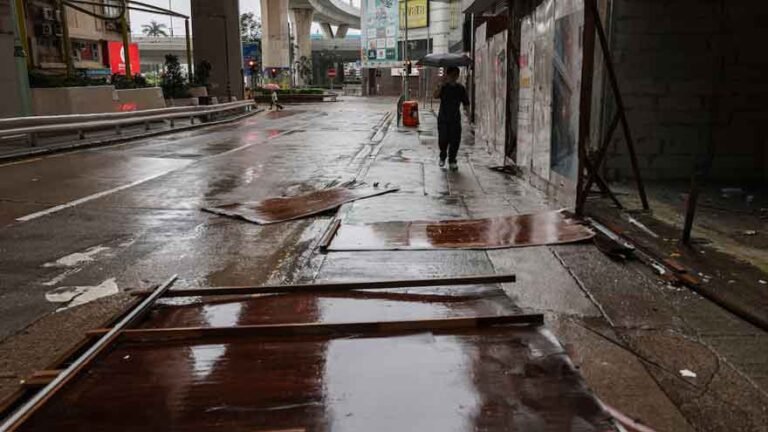
Adverse Weather Disrupts Flight Operations Across Pakistan
What began as demonstrations against worsening economic conditions has evolved into open calls for an end to the clerical system that has ruled Iran since the 1979 revolution. The authorities have responded with a sweeping crackdown which, according to human rights groups, has resulted in hundreds of deaths. Despite the unrest, the rule of Supreme Leader Ayatollah Ali Khamenei, 86, remains intact.
“These protests arguably represent the most serious challenge to the Islamic republic in years, both in scale and in their increasingly explicit political demands,” said Nicole Grajewski, a professor at Sciences Po in Paris. However, she added that Iran’s powerful and resilient security apparatus makes the outcome uncertain.
Iranian authorities have sought to counter the demonstrations by organising pro-government rallies, drawing thousands of supporters into the streets on Monday.
Thomas Juneau, a professor at the University of Ottawa, said the situation is more volatile than in the past, though not yet at a breaking point. “At this stage, I still don’t assess that the fall of the regime is imminent,” he said, while noting growing uncertainty.
Key Factors Shaping the Crisis
Analysts point to several critical factors that will determine whether Iran’s leadership can withstand the unrest.
One is the sustainability and scale of protests. While demonstrations have spread across Tehran and other major cities since late December, experts say they have not yet reached the “critical mass” required to force systemic change. Internet shutdowns imposed by authorities have further obscured the true scale of mobilisation.
Another decisive factor is unity within the ruling elite and security forces. So far, there have been no visible defections from key institutions, including parliament, the presidency or the powerful Islamic Revolutionary Guard Corps, all of which continue to back Khamenei.
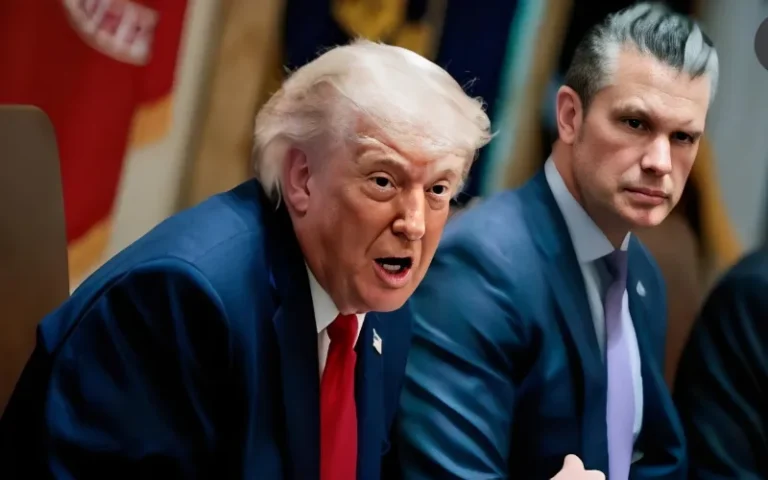
External pressure also looms large. US President Donald Trump has warned of retaliation over the crackdown and imposed tariffs on Iran’s trading partners, while not ruling out military action following last year’s brief US involvement in Israel’s conflict with Iran. Analysts say any direct US military intervention would dramatically reshape the crisis.
The absence of a unified, organised opposition further weakens the protest movement. While Reza Pahlavi, the US-based son of Iran’s ousted shah, has emerged as a vocal figure, analysts say Iran’s fragmented diaspora and lack of internal leadership limit the prospects of coordinated change.
Finally, uncertainty over Khamenei’s health and succession adds another layer of instability. While he has appeared publicly to denounce the protests, questions remain over who would succeed him, with some analysts suggesting power could shift toward the Revolutionary Guards in a post-Khamenei scenario.
Despite the intensity of the protests, analysts broadly agree that Iran’s leadership, though under unprecedented strain, retains the tools and cohesion needed to hold on to power