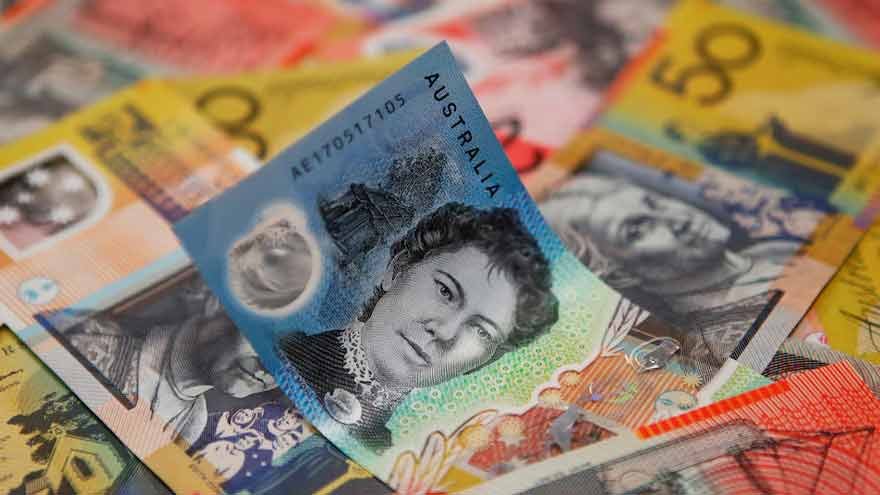
The Australian dollar was on course for another sharp monthly rise on Friday as investors increasingly expect tighter monetary policy, while the Japanese yen remained under pressure amid political uncertainty surrounding interest rate decisions in Japan.
Paramount Skydance Set to Acquire Warner Bros. Discovery After Netflix Withdraws Bid
Currency markets have navigated a volatile month marked by geopolitical tensions, developments linked to tariffs introduced under US President Donald Trump, and fluctuating sentiment surrounding artificial intelligence investments. However, analysts say exchange rate movements have largely been driven by shifting expectations over global interest rates.
The Australian dollar held steady at $0.7106 and was set for a monthly gain of about 2 percent, extending its advance to more than 6 percent so far this year — making it the best-performing G10 currency. Strong domestic economic conditions have fuelled expectations that the Reserve Bank of Australia may maintain a hawkish stance, with markets anticipating at least one additional rate hike this year.
Strategists noted that currency trends are increasingly reflecting changing macroeconomic conditions, with markets now focused on which central banks may lead tightening cycles rather than easing policies.
In contrast, the Japanese yen continued to weaken despite signals from Kazuo Ueda that the Bank of Japan remains open to raising rates. Political developments have clouded the outlook after Prime Minister Sanae Takaichi nominated academics viewed as supporters of economic stimulus to the central bank’s board, raising doubts about the pace of policy tightening.
Elsewhere, sterling traded at $1.3484 and was set to end a three-month rally, pressured by expectations that the Bank of England could cut rates as early as March.
The US dollar, meanwhile, was poised for a modest monthly gain after policymakers at the Federal Reserve signalled openness to further rate hikes if inflation remains elevated, even as investors continue to price in potential rate cuts later this year.
Analysts say currency markets are likely to remain sensitive to central bank signals as investors reassess global monetary policy trajectories in an uncertain economic environment.