Global financial markets surged on renewed hopes that the conflict with Iran could soon de-escalate, lifting investor sentiment despite ongoing uncertainty.
Ronaldo Scores Brace on Return as Al Nassr Cruise to 5-2 Victory
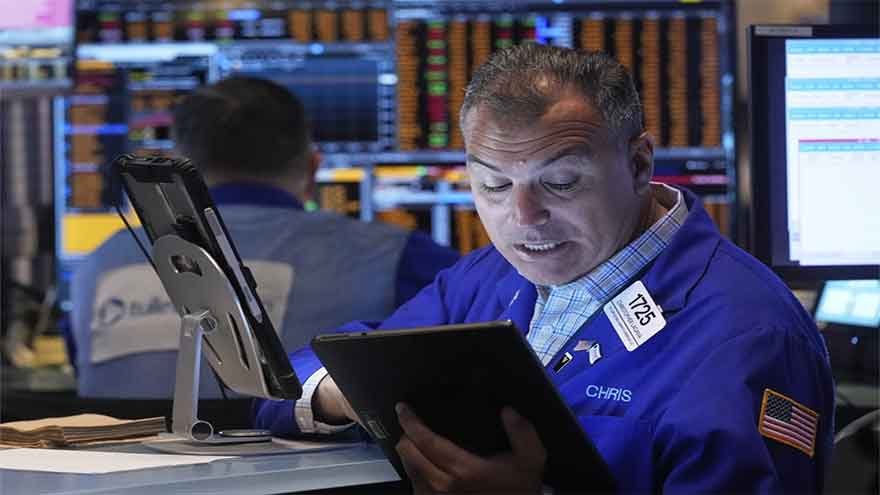
In the United States, the S&P 500 rose 0.7%, extending gains from its strongest session since last spring. The Dow Jones Industrial Average added 224 points, while the Nasdaq Composite jumped 1.2%, driven largely by gains in major technology stocks.
Markets across Europe and Asia also rallied sharply, with South Korea posting an 8.4% surge as global investors reacted to easing geopolitical concerns.
Oil prices declined, with Brent crude oil falling toward $100 per barrel after Donald Trump indicated that US military operations could wind down within weeks. However, prices remain elevated compared to pre-conflict levels near $70.
Investor optimism was partly fuelled by reports suggesting Iran’s willingness to end the conflict under certain conditions. However, these signals were quickly disputed, highlighting the fragile nature of market sentiment. Iran denied claims of seeking a ceasefire, underscoring ongoing tensions.
Analysts warned that volatility is likely to persist, as earlier market rallies have repeatedly reversed amid continued fighting. Control of the Strait of Hormuz — a key global oil transit route — remains a major concern for energy markets.
On Wall Street, gains were led by tech giants such as Alphabet and Nvidia. Meanwhile, Exxon Mobil and Chevron declined in line with falling crude prices.
Pharmaceutical company Eli Lilly also saw gains after regulatory approval of a new weight-loss treatment, while Nike shares dropped sharply following weak financial forecasts.
Despite the rebound, analysts caution that the long-term economic impact of the conflict — particularly through energy costs and global growth risks — could continue to weigh on markets even if hostilities subside.