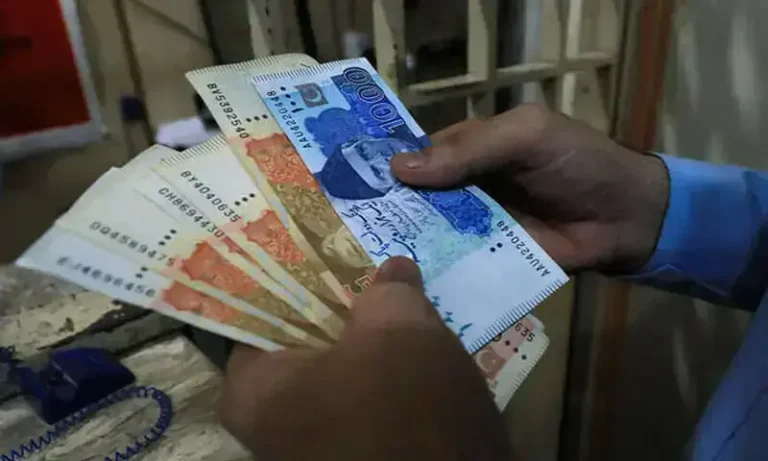
The International Monetary Fund (IMF) has urged the Pakistan government to complete all pending super tax recoveries within one month following the Supreme Court’s verdict in favour of the levy, sources said.
Dharmendra Awarded Padma Vibhushan Posthumously for Lifetime Contribution to Indian Cinema
Virtual discussions were held between the Federal Board of Revenue (FBR) and the IMF after the apex court announced its decision on Tuesday. During the talks, the IMF expressed satisfaction over the ruling and stressed the importance of meeting tax collection targets.
According to FBR estimates, super tax collections are expected to reach nearly Rs375 billion by the end of the current fiscal year, with around Rs300 billion likely to be recovered in the coming days.
FBR officials said that by December 2025, super tax liabilities of large business units stood at approximately Rs340 billion, while an additional Rs40 billion is projected to be collected by June 2026. They expressed confidence that the current revenue shortfall could be eliminated by December through accelerated recoveries.
The FBR has briefed both the prime minister and the IMF on the court verdict, informing them that the revenue gap could be bridged by December via super tax collections.
Pakistan’s tax authority failed to meet targets between July and December, resulting in a shortfall of about Rs335 billion against a target of Rs6,490 billion. Total collections during the first half of the fiscal year amounted to Rs6,155 billion, with shortfalls of over Rs310 billion recorded between July and November and another Rs25 billion added in December.
The super tax is levied at rates ranging from 1pc to 10pc on large companies, banks and highly profitable sectors under Sections 4B and 4C of the Income Tax Ordinance. Companies earning annual profits between Rs150 million and Rs200 million are taxed at 1pc, rising progressively to 10pc for profits exceeding Rs500 million.
Sources said proposed reforms to the super tax structure include gradually reducing the rate for the manufacturing sector to 5pc over four years and abolishing the tax in the fifth year, subject to achieving a primary budget surplus. Other proposals — pending IMF approval — include raising the minimum profit threshold for manufacturing firms from Rs200 million to Rs500 million and increasing the 10pc super tax threshold from Rs500 million to Rs1.5 billion.
The prime minister has directed the FBR to intensify enforcement measures and confirmed that no mini-budget will be introduced before the next federal budget. He has also instructed the economic team to prepare relief proposals for salaried individuals and industries, while the Ministry of Finance has advised the FBR to focus on revenue enhancement rather than introducing new taxes.