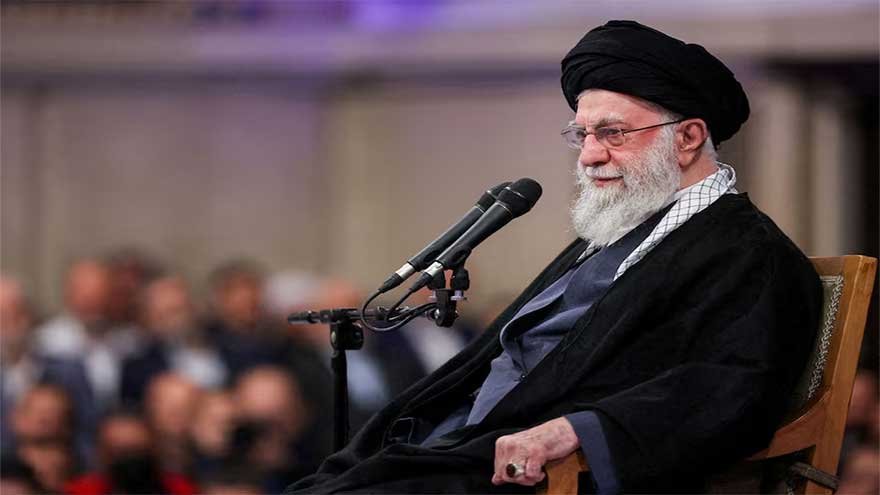
Iran’s Supreme Leader Ayatollah Ali Khamenei on Friday urged US President Donald Trump to focus on domestic issues in the United States, responding sharply to Trump’s recent remarks about closely monitoring developments in Iran amid growing unrest..
Attaullah Tarar Accuses KP Government of Seeking TTP “Exemption,” Slams PTI Leadership
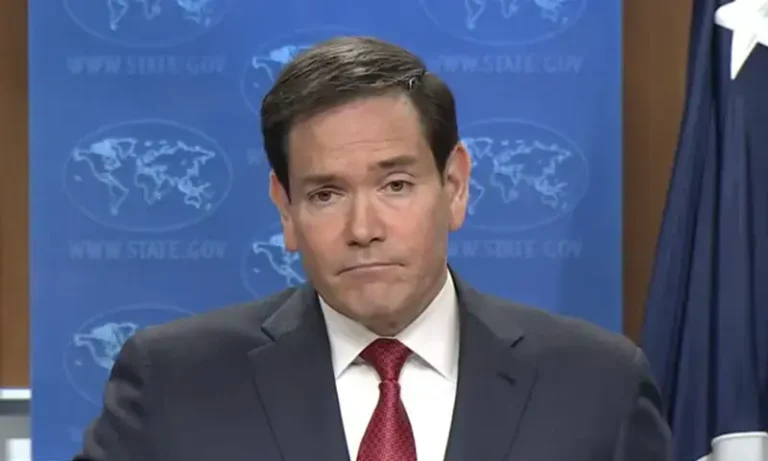
Earlier, Trump warned that Washington would respond forcefully if Iranian authorities used violence against protesters, saying the United States was watching the situation “very closely.”
Iran was largely cut off from the outside world on Friday after authorities imposed a nationwide internet blackout in an apparent attempt to curb the spread of protests. Phone calls from abroad failed to connect, several international flights were cancelled, and Iranian news websites updated only intermittently.
Addressing the unrest, Khamenei accused protesters of acting on behalf of foreign powers, particularly the United States. He said rioters were attacking public property and warned that Tehran would not tolerate individuals acting as “mercenaries for foreigners.”
The protests, which began late last month over soaring inflation and economic hardship, have grown into the largest wave of unrest in nearly three years. Demonstrations have been reported across all provinces, with rights groups documenting dozens of deaths.
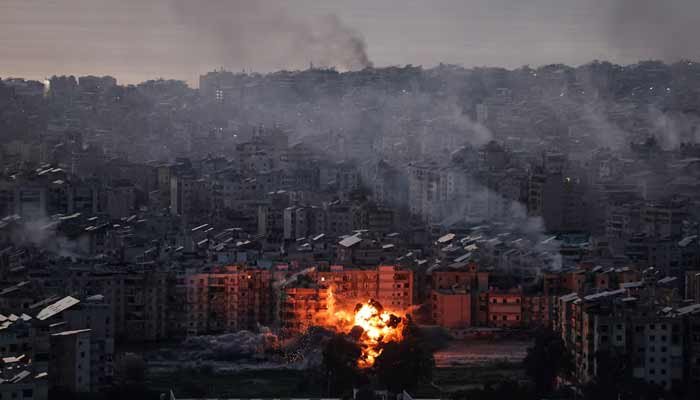
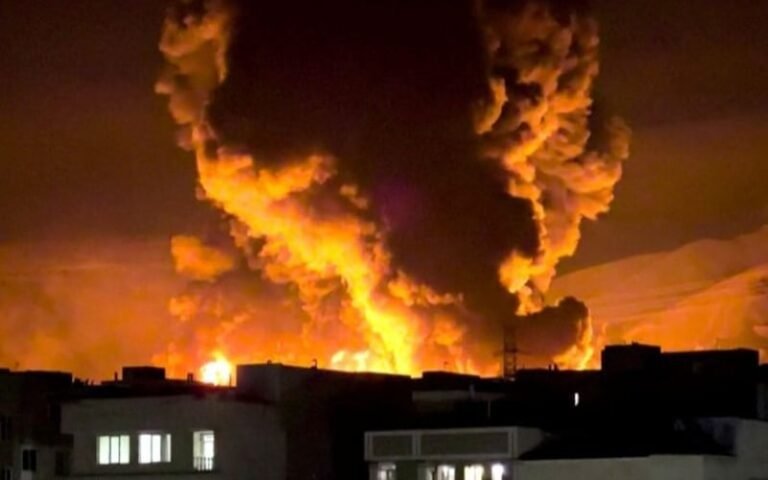
State television broadcast images showing burning buses, cars, motorbikes, and fires at metro stations and banks. Iranian authorities blamed the violence on the People’s Mujahedin Organisation, also known as the MKO, an opposition group that split after the 1979 Islamic Revolution.
A state TV reporter described scenes in the northern city of Rasht as resembling a “war zone,” with shops destroyed along major streets.
Iran faces mounting economic pressure following the reimposition of international sanctions linked to its nuclear programme. A French diplomatic source called on Tehran to show maximum restraint toward protesters.
While the protests have not yet reached the scale of nationwide demonstrations seen in late 2022 following the death of Mahsa Amini, analysts say they represent the most serious internal challenge to the authorities since then. Initially driven by economic grievances — including inflation above 40% and a sharp fall in the rial — the demonstrations have evolved to include direct slogans against the leadership.
Protesters have chanted phrases such as “death to the dictator” and, in some cases, expressed support for Iran’s former monarchy, though the level of such support remains disputed.
Iranian authorities have adopted a dual strategy, acknowledging economic concerns as legitimate while cracking down on what they describe as violent unrest. Security forces have used tear gas to disperse crowds in several cities.
The nationwide internet shutdown continued into Friday, coinciding with renewed calls for protests by Reza Pahlavi, the exiled son of Iran’s last shah. Trump, however, said he would not meet Pahlavi and questioned whether backing him would be appropriate.
According to US-based Human Rights Activists News Agency, at least 34 protesters and four security personnel have been killed, with around 2,200 people arrested during the unrest.