PM Shehbaz Sharif Calls for Global Commitment to Sustainable Development for Lasting Peace
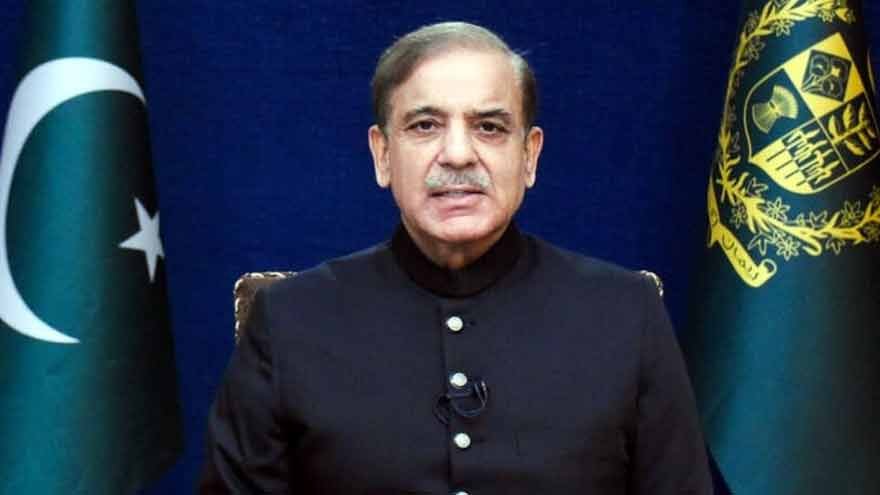
Prime Minister Shehbaz Sharif has urged the international community to renew its commitment to sustainable and inclusive development, calling it the only viable path to lasting peace and shared prosperity in an increasingly unstable world.
Karachi’s Meena Bazaar Underpass Project Faces Further Delays Despite Missed Deadlines
Speaking at a special event titled “Sustainable Development: Pathway for Global Peace and Prosperity,” the prime minister said the world was at a critical juncture where geopolitical tensions, climate challenges and rapid technological changes were converging to create complex global risks.
He warned that today’s greatest threat stems from the combination of multiple crises, including poverty, rising debt burdens, displacement and unresolved conflicts, all of which are intensifying global instability.
Sharif emphasized that development must remain inclusive and equitable, stating that progress cannot be termed sustainable if large segments of society remain excluded from economic opportunities and social advancement. He highlighted that developing countries, despite contributing minimally to global emissions, are bearing the heaviest consequences of climate change and economic shocks.
Referring to Pakistan’s situation, the prime minister noted that the country contributes less than one percent to global emissions but remains among the most vulnerable to climate-related disasters. He recalled the devastating floods of 2022 that caused widespread destruction, loss of lives and displacement, adding that recurring natural disasters continue to challenge national resilience.
Reaffirming Pakistan’s commitment to the Sustainable Development Goals (SDGs), he said the government had incorporated them into national development planning, focusing on education, healthcare, food security and social protection, particularly for women and youth. He also stressed the importance of investing in skills development, digital transformation and institutional strengthening to harness the potential of the country’s large youth population.
The prime minister reiterated Pakistan’s support for dialogue, diplomacy and multilateral cooperation, calling for reforms within the United Nations to enhance its effectiveness in promoting global peace and cooperation.
Highlighting the role of Vienna as a key hub of international cooperation, he noted Pakistan’s engagement with major UN institutions, including the International Atomic Energy Agency, United Nations Industrial Development Organization, and United Nations Office on Drugs and Crime.
Later, agreements were signed under UN-backed programmes, including the UNIDO Programme for Country Partnership Pakistan 2025–2030 and a cooperation agreement involving the Institute of Nuclear Medicine and Oncology Lahore.
Deputy Prime Minister and Foreign Minister Ishaq Dar reaffirmed Pakistan’s commitment to the UN Charter and emphasized the organization’s central role in advancing peace, development and human rights.
IAEA Director General Rafael Mariano Grossi praised Pakistan’s nuclear facilities following recent visits and expressed confidence in continued cooperation. UNIDO Deputy Director-General Yuko Yasunaga also highlighted Pakistan’s vulnerability to climate impacts despite its minimal contribution to global emissions, stressing the need for climate-resilient and low-carbon industrial growth.
The event concluded with calls for enhanced global collaboration, technology transfer and capacity building to ensure emerging technologies benefit all nations and help bridge widening development gaps.