Trump–Netanyahu Call Preceded US-Israeli Strike on Iran, Report Reveals Strategic Deliberations
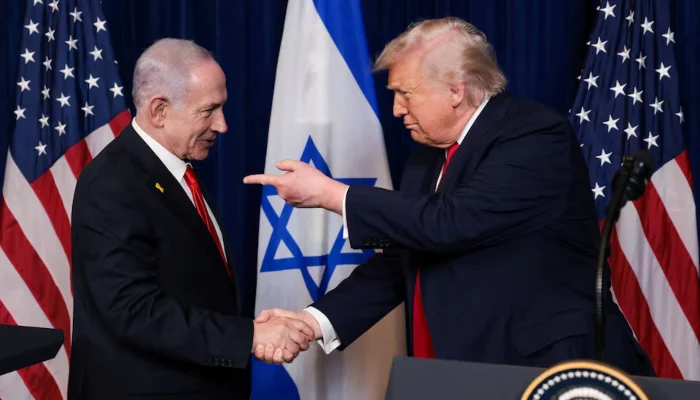
WASHINGTON/JERUSALEM: Less than 48 hours before the US-Israeli strike on Iran, Israeli Prime Minister Benjamin Netanyahu held a phone call with US President Donald Trump, during which the two leaders discussed the rationale and timing of a complex military operation, according to sources familiar with the matter.
Colombian Military Plane Crash Kills Dozens After Take-Off from Puerto Leguizamo
Intelligence briefings earlier in the week had indicated that Iran’s Supreme Leader Ayatollah Ali Khamenei and his senior aides were expected to meet at a compound in Tehran, presenting what analysts described as a potential opportunity for a “decapitation strike” targeting top leadership.
However, updated intelligence suggested that the meeting schedule had shifted from Saturday evening to Saturday morning, narrowing the window for any such operation. Sources said Netanyahu used the call to argue that the opportunity to act might not arise again, emphasizing the strategic importance of the moment.
At the time of the conversation, Trump had already approved the concept of a military operation but had not finalized the timing or conditions for US involvement. According to the sources, the US had been building military assets in the region for weeks, signaling preparations for potential action.
The strike reportedly took place on February 28, following an order issued on February 27, with initial explosions occurring on Saturday morning. Reports later suggested that Khamenei was killed in the attack, though official confirmations remain unclear.
US officials stated that the operation aimed to dismantle Iran’s ballistic missile and production capabilities, weaken its naval power, and disrupt its ability to support proxy forces, while preventing any advancement toward nuclear weapons capability.
Netanyahu later rejected claims that Israel pressured the United States into joining the conflict, asserting that decisions were independently made by the US administration. Trump has also maintained that the decision to strike was his own.
Despite this, the reported communication highlights the close coordination and strategic discussions between the two allies ahead of a major escalation in the conflict, which has since led to heightened tensions across the Middle East and broader global economic and security repercussions.