For Bianca Jones, a 33-year-old special education teacher in Memphis, Tennessee, the Consumer Financial Protection Bureau (CFPB) proved life-changing. After discovering serious errors on her Experian credit report that falsely doubled her student debt, Jones spent years disputing the issue without success. Only after filing a complaint with the CFPB was she able to build a record that helped her win a lawsuit against Experian and finally buy a home.
Lawyers Announce Indefinite Strike Over Failure to Register Case Against YouTuber Rajab Butt
“If I didn’t have this agency to go to, I don’t think I’d be in the house right now,” Jones said. “It actually changed my life.”
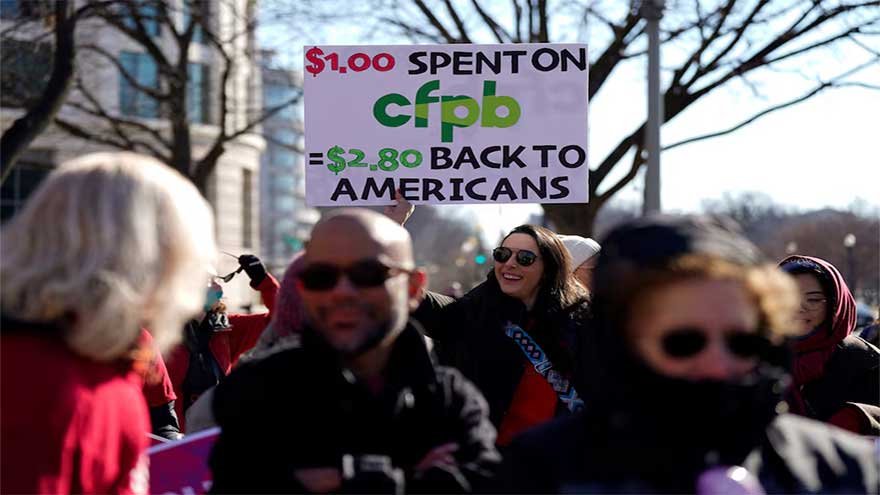
Stories like Jones’s have fueled concern among consumers, lawyers and financial counselors as the CFPB faces potential dismantling under President Donald Trump’s second administration. The White House has called the agency unnecessary and politically motivated, with Trump saying it is “very important to get rid of” the watchdog.
Created in 2010 following the global financial crisis, the CFPB was designed to be the primary federal agency protecting consumers from unfair, deceptive and abusive practices in the financial marketplace. Since its inception, the bureau says it has returned more than $21 billion to consumers through enforcement actions and settlements.
However, the agency now faces severe threats. Acting CFPB head and White House Budget Director Russell Vought has publicly said he intends to shutter the bureau. The administration is seeking to lay off up to 90% of its workforce, halt investigations, and transfer remaining cases to the Justice Department. Congressional Republicans have also reduced the agency’s maximum funding.
Critics, particularly Republicans and industry groups, argue the CFPB overreached its authority, burdened businesses with excessive regulation, and duplicated the work of other financial regulators. They also object to its funding structure, which draws from the Federal Reserve rather than annual congressional appropriations.
Senator Elizabeth Warren, who conceived the agency, dismissed the criticism, saying the CFPB exists to prevent powerful financial institutions from exploiting ordinary Americans.
“If the CFPB is not there, people have nowhere to turn when they get cheated,” Warren said.
Many consumers share that concern. Morgan Smith, a single mother in Washington state, said the CFPB helped her understand her rights after becoming a victim of identity theft. Michael Johnson, a Virginia resident facing debt collection after serious health issues, used CFPB resources to defend himself in court.
Consumer advocates warn that eliminating the CFPB would leave Americans dependent on fragmented and under-resourced state and federal agencies, weakening protections against fraud, predatory lending and credit reporting abuses.
“If you take them out of the picture altogether, you’re going to get more abuse, not less,” said Thomas Hoenig, former vice chair of the Federal Deposit Insurance Corporation.
As legal battles over the agency’s future continue, millions of Americans who rely on the CFPB’s complaint system and enforcement powers fear losing what many describe as their last line of defense in the financial system.