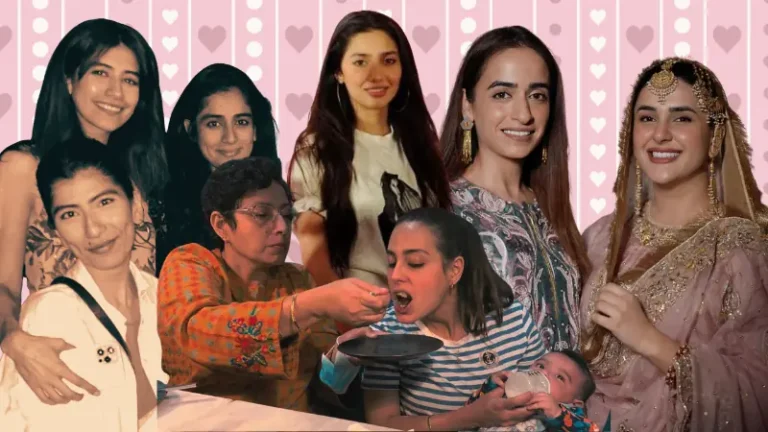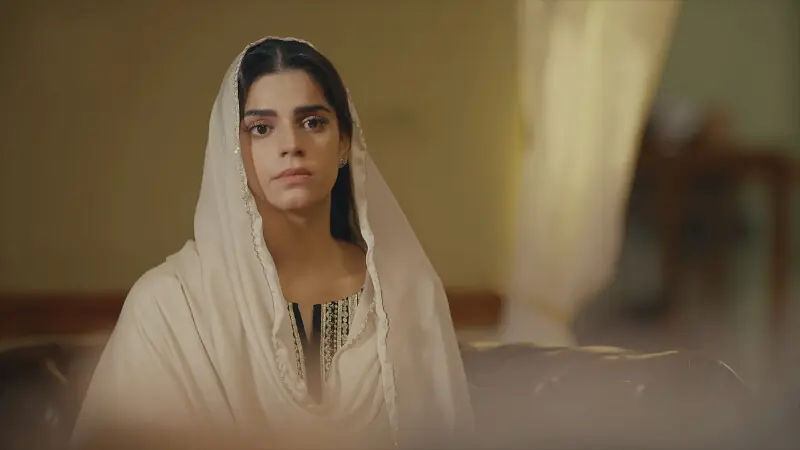
When actors post emotional farewell messages to their characters, such notes often blend nostalgia with promotion. However, Sanam Saeed’s message for Zeba — her character in ARY’s drama Kafeel, whose first chapter recently concluded — stood out for its candid tone and social clarity.
Karachi Police Arrest Two Suspects in Major Child Abuse Case, One Linked to Over 100 Victims
Sharing stills from the drama, Saeed described Zeba as “sweet, obedient and naïve,” while questioning the deeply ingrained belief that being a farmabardar beti requires women to sacrifice their future, peace and identity. Her words resonated strongly with Pakistani audiences familiar with narratives that glorify endurance as virtue.
“Sacrificing yourself and living in misery helps no one,” Saeed wrote, adding that women only get one life and that self-preservation should not be mistaken for selfishness. She urged women to trust their instincts, noting that the heart and mind can often be clouded by loyalty to family, shame, tradition, guilt and fear.
The actor’s note addressed marriage without idealising or condemning it. Saeed emphasised that shaadi is not the ultimate goal — safety, education, financial independence and peace are. While acknowledging that marriage can be fulfilling, she stressed that it requires mutual respect, emotional responsibility and an understanding of how parental behaviour affects children.
Kafeel, written by Umera Ahmed and directed by Meesam Naqvi, centres on Zeba, once a curious and intellectually inclined woman, now burdened with raising four children, managing household finances, working as a teacher and sustaining an emotionally draining marriage.
Her husband, Jamshed — portrayed by Emmad Irfani — is financially unstable, insecure and verbally abusive, struggling to meet his father’s expectations while projecting his frustrations onto Zeba. While the setup is familiar to Pakistani television audiences, the drama presents emotional labour as exhausting and unrelenting rather than heroic.
Saeed also acknowledged the audience response, saying she and the team had received overwhelming messages from women who saw reflections of their own lives, or those of loved ones, in Zeba’s story. The response suggests that viewers are drawn not to regressive storytelling, but to narratives that mirror lived realities rarely confronted openly.
The long-standing Saeed-Ahmed collaboration has often focused on women navigating moral complexity and quiet resistance. Zeba continues that tradition — not as a vocal rebel, but as a woman slowly realising that endurance does not equal dignity.
In her closing remarks, Saeed expressed hope that Kafeel’s first chapter would serve as “an eye-opener, a ray of hope and a warning to young women and their parents,” underlining that the systems trapping women like Zeba are often sustained by families and societal expectations, not just spouses.
Ultimately, Saeed’s message reframes Zeba’s suffering not as something to admire, but as something that should never have been required in the first place.