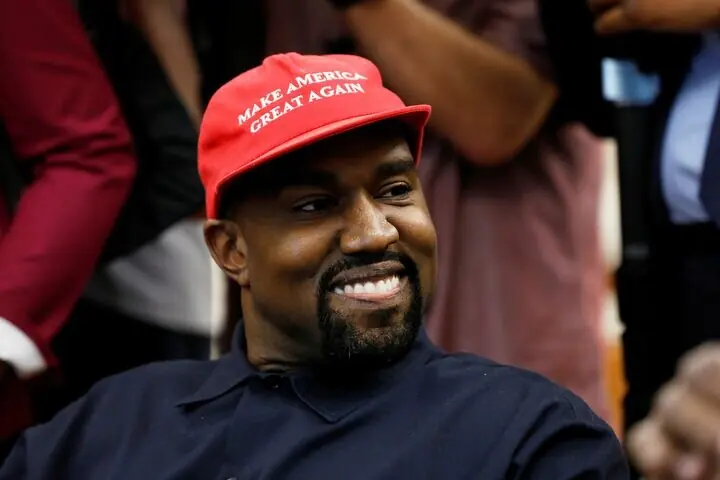
American rapper and record producer Ye, formerly known as Kanye West, issued a public apology on Monday for his past anti-Semitic remarks, taking out a full-page advertisement in The Wall Street Journal in an effort to address years of backlash.
Business Community Slams SBP for Holding Interest Rate at 10.5pc, Demands Single-Digit Policy Rate
In the ad, Ye said he had “lost touch with reality,” attributing his behavior to an undiagnosed brain injury and untreated bipolar disorder. He expressed deep regret for his actions, saying he was committed to accountability, treatment and meaningful change.
“I regret and am deeply mortified by my actions in that state. It does not excuse what I did, though. I am not a Nazi or an anti-Semite. I love Jewish people,” Ye wrote. He also voiced remorse over previous statements praising Adolf Hitler and his use of swastika imagery.
The Anti-Defamation League (ADL) described the apology as long overdue, noting Ye’s extensive history of anti-Semitic remarks and actions. In a statement, the organization said the apology did not erase the harm caused by his past behavior, adding that true accountability would be reflected in future conduct.
Ye’s upcoming album, Bully, is scheduled for release on Friday, according to Spotify.
In the advertisement, Ye spoke candidly about his struggles with mental health, explaining that bipolar disorder affected his judgment during manic episodes. He said a car accident 25 years ago caused significant brain damage that was not properly diagnosed until 2023, contributing to his mental health challenges and eventual bipolar type-1 diagnosis.
The artist said a prolonged manic episode in early 2025 led to impulsive and paranoid behavior that severely impacted his life. He added that he reached “rock bottom” months ago and experienced thoughts of not wanting to live.
Ye also addressed the Black community, expressing gratitude and offering further apologies, calling it the foundation of who he is and saying he was sorry for letting people down.
The rapper had previously stated that he was on the autism spectrum rather than having bipolar disorder, but said connecting with others experiencing similar symptoms helped him understand that he lives with a chronic mood disorder.